

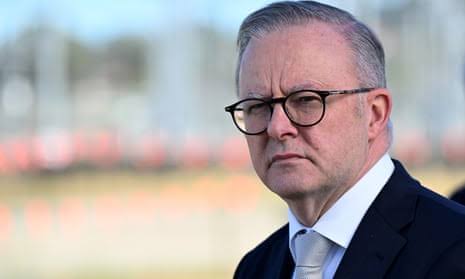
Australian Prime Minister Anthony Albanese has stated the need for Australia to strengthen its defense capabilities, a comment made in response to questions regarding the potential impact of a return to the U.S. presidency by Donald Trump.
Australia’s existing security arrangements, including the AUKUS agreement with the United States and the United Kingdom, have deepened under the current U.S. administration. The AUKUS pact, a multi-decade project focused on acquiring nuclear-powered submarines, enjoys bipartisan support in Australia, with Albanese affirming its stability regardless of the outcome of the upcoming Australian election.
However, Trump’s previous implementation of tariffs and his approach to international relations, particularly regarding the conflict in Ukraine, have fueled discussions about Australia’s need for greater self-reliance in defense.
Speaking at the National Press Club in Canberra, Albanese highlighted Australia’s ongoing efforts to develop an independent defense industry, including domestic missile production. He referenced former Prime Minister John Curtin’s focus on defending Australia’s national interests during World War II, suggesting a similar need for strategic autonomy today.
Australia is scheduled to hold a national election on May 3, with opinion polls suggesting a potential victory for Albanese’s Labor party. The prospect of a Trump presidency in the U.S. has reportedly influenced voter sentiment in Australia.
The Labor party has committed to increasing defense spending by A$50 billion (approximately $32 billion USD) over the next decade, which they characterize as the most significant increase since World War II. The opposition leader, Peter Dutton, has proposed raising defense spending to 3% of the nation’s gross domestic product within the next ten years.
The debate surrounding Australia’s defense strategy reflects broader global concerns about evolving geopolitical landscapes and the need for nations to adapt to changing security dynamics.