
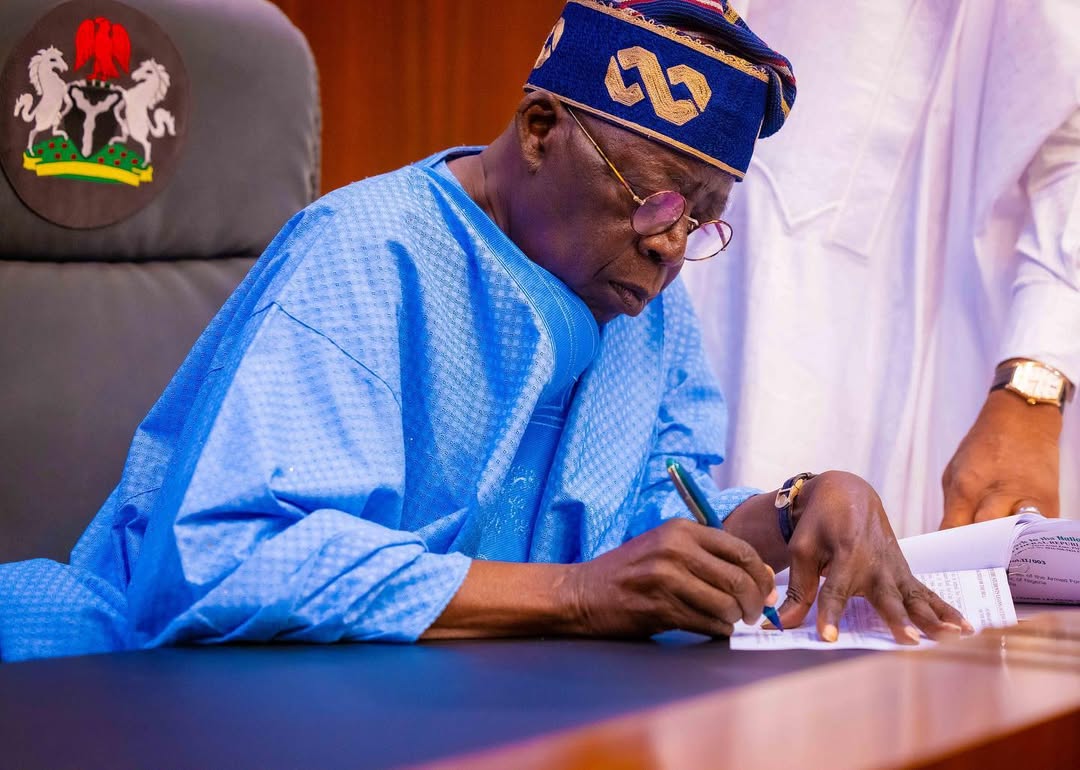
Members of the diplomatic community in Nigeria, led by the European Union (EU), have expressed support for President Bola Ahmed Tinubu’s Renewed Hope Agenda, describing the reform programme as a strategic framework capable of addressing key economic and governance challenges facing the country.
The EU, however, emphasized the need for the policies and reforms under the agenda to produce more visible and meaningful improvements in the lives of ordinary Nigerians, particularly in the areas of economic stability, employment and social welfare.
EU Endorses Tinubu’s Renewed Hope Agenda
Speaking during an engagement with members of the diplomatic community in Abuja, the European Union Ambassador to Nigeria and ECOWAS, Gautier Mignot, said the Renewed Hope Agenda aligns with the aspirations of Nigeria’s international partners and reflects a governance framework capable of driving inclusive growth and democratic consolidation.
According to the envoy, Nigeria remains a country of significant opportunities, with the potential to achieve sustainable economic progress through effective reforms and stronger institutional development.
Observers say international support for Nigeria’s reform agenda could strengthen investor confidence and deepen diplomatic cooperation between Nigeria and its development partners.
Diplomatic Community Calls for Tangible Results
While expressing support for the Renewed Hope Agenda, the EU urged the Federal Government to ensure that the ongoing reforms translate into tangible improvements in the daily lives of Nigerians.
The ambassador stressed the importance of policies that directly impact citizens through job creation, improved welfare systems and stronger economic stability.
Stakeholders say many Nigerians continue expecting clearer economic benefits from ongoing reforms, especially amid inflationary pressures and rising living costs.
Analysts also believe public confidence in economic reforms often depends on how quickly citizens begin experiencing practical improvements.
Engagement Focuses on Governance and Development
The interactive session with diplomats formed part of broader efforts aimed at strengthening collaboration between Nigeria, state governments and international partners on governance, democratic reforms and investment cooperation.
Observers say diplomatic engagements of this nature remain important for promoting international partnerships and attracting development support.
Stakeholders also note that stronger cooperation with global partners can improve technical assistance, institutional reforms and economic opportunities.
Experts believe sustained dialogue between Nigeria and development partners remains essential for long-term national growth and stability.
Uzodimma Highlights Economic Gains
Governor of Imo State and Chairman of the Progressive Governors’ Forum, Hope Uzodimma, reportedly presented an overview of the Renewed Hope Agenda and the economic reforms introduced under the administration of Bola Ahmed Tinubu.
Uzodimma stated that the reforms have contributed to improvements in Nigeria’s fiscal position, increased foreign reserves to about $49.4 billion and raised monthly Federation Account Allocation Committee (FAAC) disbursements to between ₦1.8 trillion and ₦2.6 trillion.
Observers say the administration continues presenting economic indicators as evidence of ongoing structural reforms within the economy.
Analysts also note that fiscal reforms remain central to the government’s broader economic strategy.
International Partners Emphasize Democratic Stability
The EU ambassador also reiterated the importance of democratic consolidation, transparency and inclusiveness as Nigeria prepares for future electoral activities across different levels of government.
Observers say international partners continue monitoring Nigeria’s democratic process and governance reforms closely.
Stakeholders believe transparent institutions and credible democratic processes remain important for maintaining political stability and investor confidence.
Experts also note that strong democratic systems often support economic growth and social development.
Liberia’s Ambassador Praises Reform Presentation
Also speaking during the engagement, the Ambassador of Liberia to Nigeria, John Ballout, reportedly commended the presentation of the Renewed Hope Agenda, describing it as a holistic overview of the administration’s reform direction.
Observers say support from members of the diplomatic community reflects growing international interest in Nigeria’s political and economic trajectory.
Stakeholders also believe diplomatic endorsements can strengthen bilateral relations and encourage broader international engagement.
Renewed Hope Agenda and Economic Reform
The Renewed Hope Agenda remains the policy framework of President Tinubu’s administration, focusing on economic reforms, infrastructure development, social welfare, investment growth and governance improvements.
Observers say the administration has continued implementing policies aimed at stabilizing the economy, improving revenue generation and strengthening fiscal sustainability.
Stakeholders, however, continue calling for stronger social protection measures capable of easing economic hardship among citizens.
Experts believe balancing structural reforms with citizen welfare remains important for long-term economic success.
Reactions From Political and Economic Stakeholders
Political and economic analysts described the EU’s support as a positive signal for Nigeria’s reform efforts and international credibility.
Some stakeholders noted that external support from development partners could improve investor perception and strengthen economic cooperation opportunities.
Others emphasized the importance of ensuring that reforms produce measurable outcomes capable of improving living standards across the country.
Observers say citizens continue expecting practical benefits from economic reforms, particularly in areas such as employment, infrastructure and affordability.
Conclusion
The endorsement of President Bola Tinubu’s Renewed Hope Agenda by the EU and members of the diplomatic community reflects growing international recognition of Nigeria’s ongoing reform efforts.
However, stakeholders maintain that the true success of the agenda will depend on its ability to deliver tangible improvements in the lives of ordinary Nigerians through economic stability, job creation and inclusive development.