

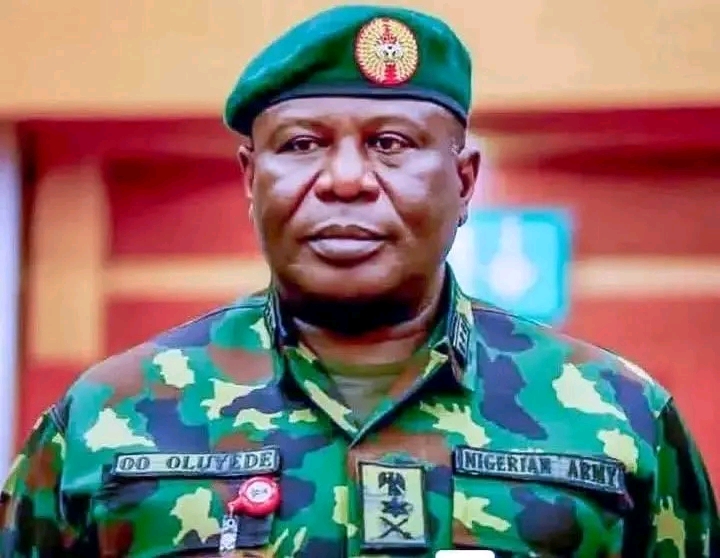
General Olufemi Oluyede is increasingly being recognized as a central figure in the evolving transformation of the Nigerian defence and security architecture.
His leadership comes at a critical period when the country continues strengthening efforts to address terrorism, banditry, insurgency and other security challenges affecting national stability.
General Olufemi Oluyede and the New Era of Nigerian Defence
Under the leadership of General Olufemi Oluyede, the Nigerian military has intensified operations aimed at improving national security and restoring public confidence in defence institutions.
Security stakeholders say the current phase of military leadership reflects a stronger emphasis on operational efficiency, strategic coordination and modern defence planning.
According to defence analysts, the military leadership has continued prioritising professionalism, intelligence-driven operations and inter-agency collaboration across security formations.
Observers also note that strengthening troop welfare and operational readiness remains central to ongoing reforms within the armed forces.
Renewed Focus on Counterterrorism Operations
Nigeria’s security agencies have sustained pressure on insurgent groups, bandits and criminal networks operating across different regions of the country.
Military operations in the North-East, North-West and other volatile areas have reportedly intensified through coordinated land and air offensives.
Stakeholders believe improved synergy among security agencies is contributing to more effective responses against criminal activities.
According to analysts, sustained counterterrorism operations are critical for restoring stability, protecting communities and rebuilding economic confidence.
Military Modernisation and Capacity Building
The new direction within the defence sector has also placed strong emphasis on modernising military equipment and strengthening operational capacity.
Defence experts note that investment in surveillance technology, air power and intelligence systems remains important for addressing evolving security threats.
The military leadership has continued supporting training programmes designed to improve tactical efficiency and combat readiness among personnel.
Observers say continuous professional development and technological advancement are necessary for strengthening modern defence systems.
Strengthening National Unity Through Security
General Olufemi Oluyede’s leadership has also highlighted the importance of national unity and civil-military cooperation in addressing security challenges.
Security stakeholders argue that effective defence strategies require collaboration between communities, local authorities and security institutions.
Community engagement initiatives and intelligence-sharing efforts have reportedly contributed to improved coordination in some regions.
Analysts believe public trust and cooperation remain important components of successful national security operations.
Troop Welfare and Professionalism
Military observers have consistently emphasized the importance of troop welfare in maintaining operational effectiveness and morale.
Under the current leadership structure, attention has reportedly increased on improving conditions for military personnel and their families.
Stakeholders note that motivated and well-supported personnel are better positioned to carry out demanding security responsibilities.
Professionalism, discipline and accountability also continue to feature prominently in discussions surrounding defence sector reforms.
Defence Sector and National Development
Security experts argue that a stable and secure environment remains essential for economic growth, investment and national development.
They note that improved security conditions often create opportunities for infrastructure development, commercial activities and social stability.
The military’s role in supporting national emergencies, disaster response and humanitarian interventions has also remained significant.
Observers believe stronger defence institutions contribute directly to broader national resilience and governance stability.
Stakeholders Praise Leadership Direction
Political leaders, defence stakeholders and community representatives have continued praising ongoing efforts to strengthen Nigeria’s security architecture.
They argue that sustained reforms within the armed forces are necessary for addressing emerging threats and maintaining national sovereignty.
Some stakeholders also emphasize the importance of continued government investment in defence infrastructure and personnel development.
Analysts believe long-term security improvements will depend on consistency, innovation and strategic planning within the defence sector.
Broader Implications for Nigeria’s Security Future
Experts say Nigeria’s evolving security landscape requires adaptive leadership capable of responding to both conventional and asymmetric threats.
They note that modern defence strategies increasingly depend on intelligence coordination, technology and regional cooperation.
Observers also argue that maintaining public confidence in national security institutions remains essential for long-term peace and stability.
Conclusion
The emergence of General Olufemi Oluyede as a leading figure in the Nigerian defence landscape reflects a broader push toward military reform, operational efficiency and national security renewal.
As Nigeria continues confronting complex security challenges, stakeholders believe strategic leadership, institutional professionalism and sustained defence modernisation will define the country’s new era of defence and national stability.