

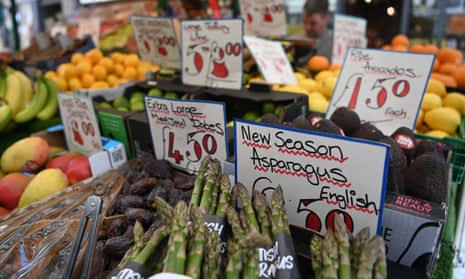
Food price controls implemented by Prime Minister Viktor Orban took effect in Hungary on Monday, following a surge in inflation that has reached the highest level in the European Union. This situation could undermine the long-standing leader’s chances for re-election in 2026.
Hungary has experienced the most severe inflationary increase among the 27 EU member states since Russia’s invasion of Ukraine in 2022, with food prices remaining a significant concern for families. Recent official statistics indicated a 7.1% rise in food prices over the past year.
In response to the inflation rebound and the likelihood of a sluggish recovery, Orban has introduced substantial tax reductions for mothers and established a cap on retail price margins for 30 food categories to help stabilize prices.
The Economy Ministry stated, “If the government observes that retail chains are not complying with the regulations, we will expand the controls to encompass all food categories! The government is also prepared to reinstate regulated prices as a last resort.”
As of January, Hungary’s annual inflation rate was recorded at 5.7%, the highest among EU countries, significantly exceeding the bloc’s average of 2.8%, according to the latest Eurostat data.
During the previous inflation spike, food prices aligned with average EU levels in 2022-23, prompting the government to impose price controls at that time, as revealed by a central bank survey.
The bank noted that the earlier price increase was partly driven by low productivity and high energy consumption in the food sector—issues that continued even after inflation began to decline.
The earlier attempt to limit food prices had unintended consequences, as companies compensated for losses by raising prices on other goods, according to the bank.
The Hungarian retail association OKSZ has indicated that the new measures could reduce food inflation by 1-2 percentage points, provided there are no additional price hikes in the supply chain.
Economist Peter Virovacz from ING projected that inflation might peak at 6.5% in October, with the average inflation rate rising to 5.6%. This scenario could result in Hungary experiencing the highest inflation rate in the EU for the second time in three years.
See more: Hong Kong’s Population Slightly Increased in 2024
Analysts from Wood & Company have indicated that the resurgence of inflation in Hungary may challenge the National Bank of Hungary’s tolerance level under the leadership of new Governor Mihaly Varga, as these increases could diminish the bank’s favorable interest rate buffer.The inflationary rise, partly attributed to the depreciation of the forint, has compelled the bank to halt rate reductions at the EU’s highest level of 6.5%.”We have witnessed a significant surge in prices, and from what I observe, they continue to rise,” remarked Peter Hegedus while shopping for groceries at a market hall in Budapest. “There is immense pressure on everyone.”