

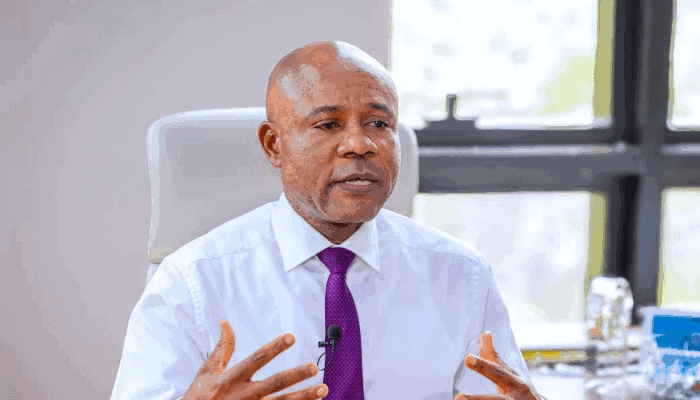
Governor Peter Mbah of Enugu State has called on professionals across different sectors to uphold ethical conduct, integrity and accountability in the discharge of their duties, stressing that professionalism and discipline remain critical to national development and public trust.
The governor made the call during an engagement with professional bodies and stakeholders, where he emphasized the importance of ethical standards in governance, business and public service.
Mbah Advocates Ethical Conduct
According to reports, Governor Peter Mbah urged professionals to remain committed to ethical values and responsible conduct in their various professions and institutions.
The governor reportedly stressed that ethical discipline and accountability are essential for building strong institutions and improving public confidence within society.
Stakeholders at the event highlighted the growing need for professionalism and transparency in both public and private sector operations across Nigeria.
Observers say ethical conduct remains a key factor in strengthening governance systems and institutional credibility.
Importance of Professional Integrity
Mbah emphasized that professionals occupy strategic positions capable of influencing economic growth, governance standards and social development.
He noted that individuals in leadership and professional roles must prioritize integrity, honesty and accountability in decision-making and service delivery.
Analysts say professional ethics play critical roles in maintaining discipline, preventing corruption and improving organizational performance.
Observers also believe ethical leadership remains necessary for restoring trust in institutions and governance systems.
Mbah Links Ethical Conduct, Accountability to National Development
The governor reportedly linked ethical conduct to broader national development objectives, stressing that sustainable progress depends on responsible leadership and professional excellence.
According to him, societies that promote accountability and ethical behavior are often better positioned to achieve economic growth and institutional stability.
Stakeholders say corruption, poor accountability and declining ethical standards continue affecting development efforts in many sectors.
Experts believe stronger professional ethics can improve productivity, investor confidence and public sector efficiency.
Role of Professionals in Governance
Governor Mbah further emphasized the responsibility of professionals in supporting effective governance, policy implementation and public service delivery.
He noted that professionals in fields such as law, medicine, engineering, accounting and public administration play central roles in shaping societal progress.
Observers say professional expertise remains essential for policy execution, infrastructure development and economic planning.
Analysts also believe ethical professionalism contributes significantly to institutional effectiveness and long-term development.
Accountability and Public Trust
The governor reportedly stressed that accountability remains one of the most important principles for maintaining public trust and institutional legitimacy.
According to him, professionals must remain transparent in their activities and avoid actions capable of undermining confidence in their respective institutions.
Stakeholders say accountability mechanisms are necessary for improving governance standards and reducing misconduct.
Observers also note that public trust often depends on the ethical behavior of leaders and institutions.
Challenges Facing Professional Ethics
Industry observers have continued expressing concern over declining ethical standards, misconduct and professional malpractice across different sectors.
Stakeholders say pressures linked to economic hardship, political influence and weak institutional enforcement have contributed to ethical challenges in some professions.
Analysts believe stronger regulatory frameworks and professional oversight remain necessary for maintaining discipline and standards.
Experts also emphasize the importance of continuous ethics training and institutional reforms.
Need for Continuous Professional Development
Mbah encouraged professionals to embrace continuous learning, self-improvement and professional development as part of efforts to remain effective and responsible in their careers.
Observers say evolving economic and technological realities require professionals to constantly update their knowledge and competencies.
Stakeholders also believe continuous development programmes can strengthen ethical awareness and technical expertise.
Analysts note that professional growth remains important for improving service quality and organizational performance.
Leadership and Institutional Discipline
The governor reportedly emphasized that ethical leadership begins with personal discipline and commitment to societal values.
According to him, institutions can only function effectively when leaders and professionals demonstrate integrity and respect for established standards.
Observers say ethical leadership often influences organizational culture, employee behavior and institutional reputation.
Experts believe leadership accountability remains essential for achieving sustainable institutional reforms.
Call for Ethical Conduct and Accounting Gets Reactions From Stakeholders
The governor’s remarks generated positive reactions among professional bodies and participants at the event, many of whom described the message as timely and necessary.
Some stakeholders emphasized the importance of stronger collaboration between government institutions and professional associations in promoting ethical standards.
Others called for stricter enforcement of professional regulations and disciplinary measures against misconduct.
Analysts believe public discussions around ethics and accountability remain important for institutional strengthening and national development.
Ethical Conduct in Public Service
Observers also highlighted the growing importance of ethics in public administration and governance, particularly amid ongoing reform efforts across Nigeria.
Stakeholders say professionalism, transparency and accountability remain necessary for improving public service delivery and restoring confidence in government institutions.
Experts believe ethical governance can positively influence economic development, policy implementation and citizen participation.
Analysts further note that ethical reforms often require sustained political commitment and institutional support.
Conclusion
The call for ethical conduct and accountability among professionals by Peter Mbah reflects growing concerns over integrity, transparency and institutional discipline within Nigerian society.
As conversations around governance reforms and professional standards continue, stakeholders believe ethical leadership, accountability and responsible conduct will remain essential for sustainable development and stronger institutions across the country.


