
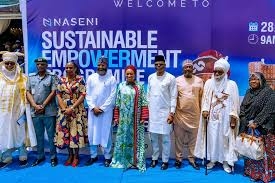
The National Agency for Science and Engineering Infrastructure (NASENI) has delivered clean energy solutions to over 2,000 homes in Kano, marking a significant step toward expanding access to sustainable electricity in underserved communities.
Stakeholders say the initiative reflects ongoing efforts to promote renewable energy adoption while improving living standards and economic opportunities.
Clean Energy Deployment to Underserved Communities
The project focuses on providing solar-powered energy systems to households that face limited or unreliable access to grid electricity.
Supporters say the initiative supports:
- Increased access to reliable electricity
- Reduced dependence on fossil fuel generators
- Improved quality of life for households
- Faster electrification of underserved areas
Observers say decentralized renewable energy solutions are becoming essential in bridging Nigeria’s energy gap.
Renewable Energy Expansion to Homes in Kano is a Sustainable Alternative
Stakeholders highlight that the use of solar-based systems aligns with national goals of promoting clean and sustainable energy.
Supporters say this contributes to:
- Reduced carbon emissions
- Environmentally friendly power solutions
- Lower long-term energy costs
- Greater energy resilience
Analysts say renewable energy adoption is key to long-term sustainability.
Impact on Households and Local Economy
Observers note that improved electricity access can positively affect daily life and economic activities within communities.
Potential benefits include:
- Better lighting and household productivity
- Support for small businesses and home enterprises
- Improved access to education and digital tools
- Enhanced healthcare and community services
Supporters say energy access is closely linked to socio-economic development.
NASENI Driving Energy Expansion, Innovation to Kano Homes
The initiative also reflects NASENI’s broader mandate to deploy technology-driven solutions that address national development challenges.
Stakeholders say this reinforces:
- Innovation in engineering and infrastructure
- Practical application of research and technology
- Strengthening local capacity in energy solutions
- Promotion of indigenous technological development
Observers say technology-driven interventions are critical for sustainable growth.
Collaboration and Implementation Strategy
The project is part of a wider effort involving partnerships and coordinated implementation to ensure effective delivery and sustainability.
Supporters say this could strengthen:
- Public-private collaboration
- Community engagement in energy projects
- Maintenance and sustainability of installations
- Scalable clean energy models
Analysts say partnerships are key to expanding impact.
Stakeholders Welcome Expansion of Energy Access to Kano Homes
Many observers have welcomed the initiative, noting that increasing access to clean energy is essential for inclusive development.
Possible outcomes highlighted include:
- Reduced energy poverty
- Improved standard of living
- Increased adoption of renewable energy solutions
- Strengthened community resilience
Supporters say projects like this can transform underserved communities.
Conclusion
As NASENI delivers clean energy solutions to 2,000 homes in Kano, it underscores the growing importance of renewable energy in Nigeria’s development strategy.
With stakeholders highlighting the benefits for households, sustainability, and economic growth, many say the initiative represents a meaningful step toward expanding energy access across the country.