
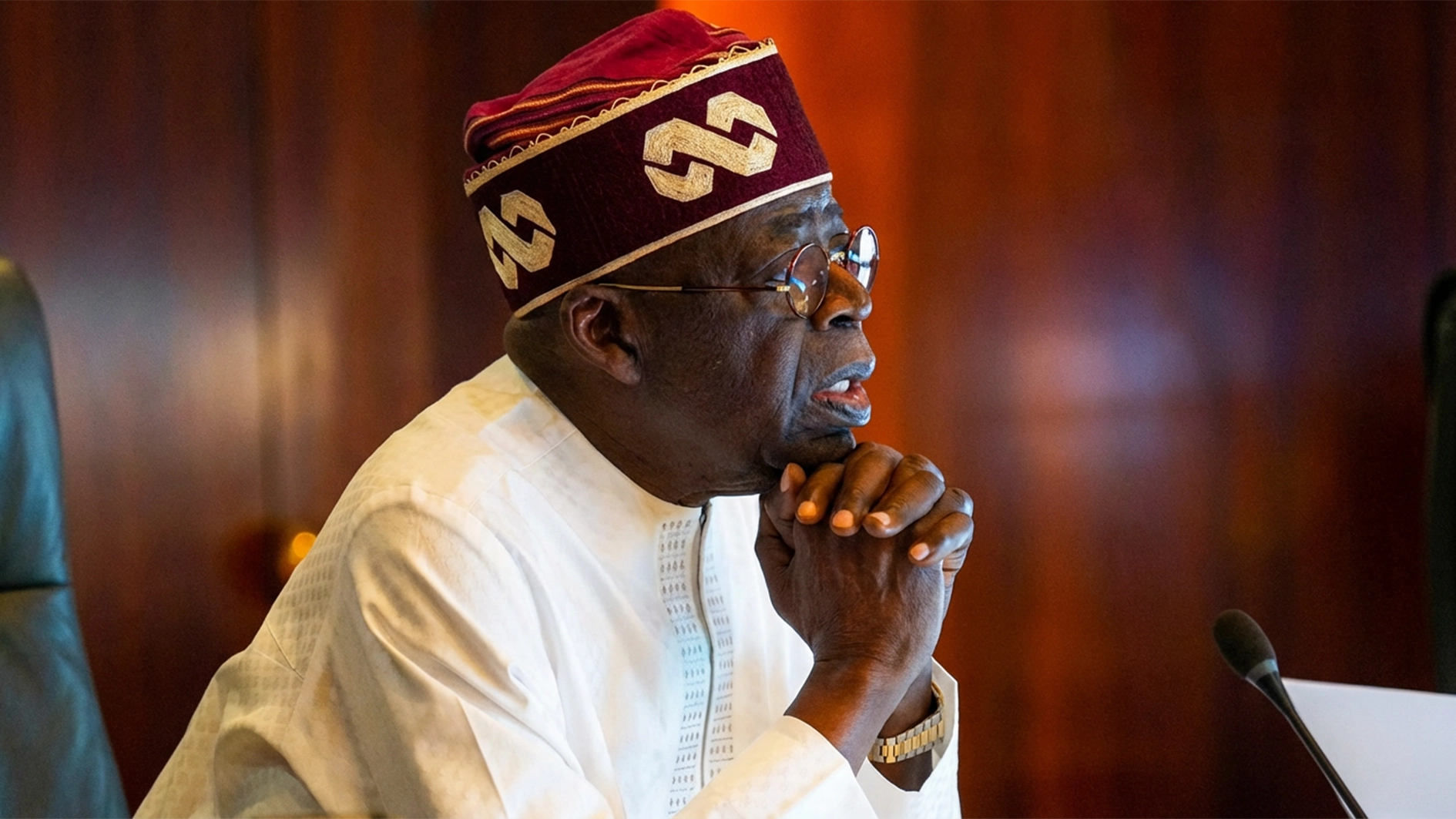
President Bola Tinubu has revealed that Nigeria may spend about $11.6 billion on debt servicing in 2026, a figure expected to consume almost half of the country’s projected revenue for the year.
The disclosure came during the Africa Forward Summit in Nairobi, Kenya, where African leaders gathered to discuss economic growth, industrial development, and financial reforms across the continent.
Tinubu used the occasion to highlight the growing pressure that debt obligations continue to place on developing economies, especially African nations struggling with high borrowing costs and limited access to affordable financing.
According to him, huge debt repayments are reducing the amount of money available for infrastructure, healthcare, education, and industrial expansion.
2026 Debt Servicing Costs Raise Fresh Economic Concerns
The President explained that Nigeria spent about $5.15 billion servicing debt in 2025. However, the amount is expected to rise sharply in 2026. The increase has renewed concerns among economic experts over the sustainability of Nigeria’s debt profile and the long-term impact on national development.
Tinubu argued that African countries face unfair treatment within the global financial system. He said many international lenders continue to classify African economies as high-risk destinations despite ongoing reforms and growth efforts.
According to him, that perception has pushed borrowing costs higher and discouraged long-term investment across the continent.
He noted that every dollar spent on debt repayment represents resources that could have supported industrialization, energy projects, agriculture, and digital innovation.
The President stressed that African economies need access to fair financing structures capable of supporting sustainable growth rather than deepening fiscal pressure.
Tinubu Defends Ongoing Reforms Amid 2026 Debt Servicing Cost Forecast
While acknowledging current economic challenges, Tinubu maintained that his administration’s reforms have started stabilizing Nigeria’s economy.
Since assuming office, the government has removed fuel subsidies, floated the naira, and introduced tax reforms aimed at improving revenue generation and restoring investor confidence.
The reforms triggered inflationary pressure and increased living costs across the country. Despite public criticism, the administration insists the policies remain necessary for long-term economic recovery.
Tinubu described the measures as “painful but necessary” steps needed to reposition Nigeria’s economy after years of structural weaknesses.
He added that some improvements have already emerged in macroeconomic indicators and investor sentiment. However, he warned that rising debt obligations could weaken the gains achieved through those reforms if broader global financial reforms are not introduced.
Calls For Global Financial Reforms Intensify
At the summit, Tinubu called for major reforms in the international financial system to ease debt servicing for African countries beginning from 2026. He urged global institutions to support industrial growth, manufacturing, and value addition within African economies with affordable loans.
The President also pushed for stronger measures against illicit financial flows, which many African leaders believe continue to drain resources from the continent. According to him, Africa should not depend on charity but should instead receive fair opportunities to compete within the global economy.
Economic analysts have continued to warn that debt servicing remains one of Nigeria’s biggest fiscal vulnerabilities. Concerns persist that rising obligations may limit government spending on critical sectors unless revenue generation improves significantly in the coming years.