

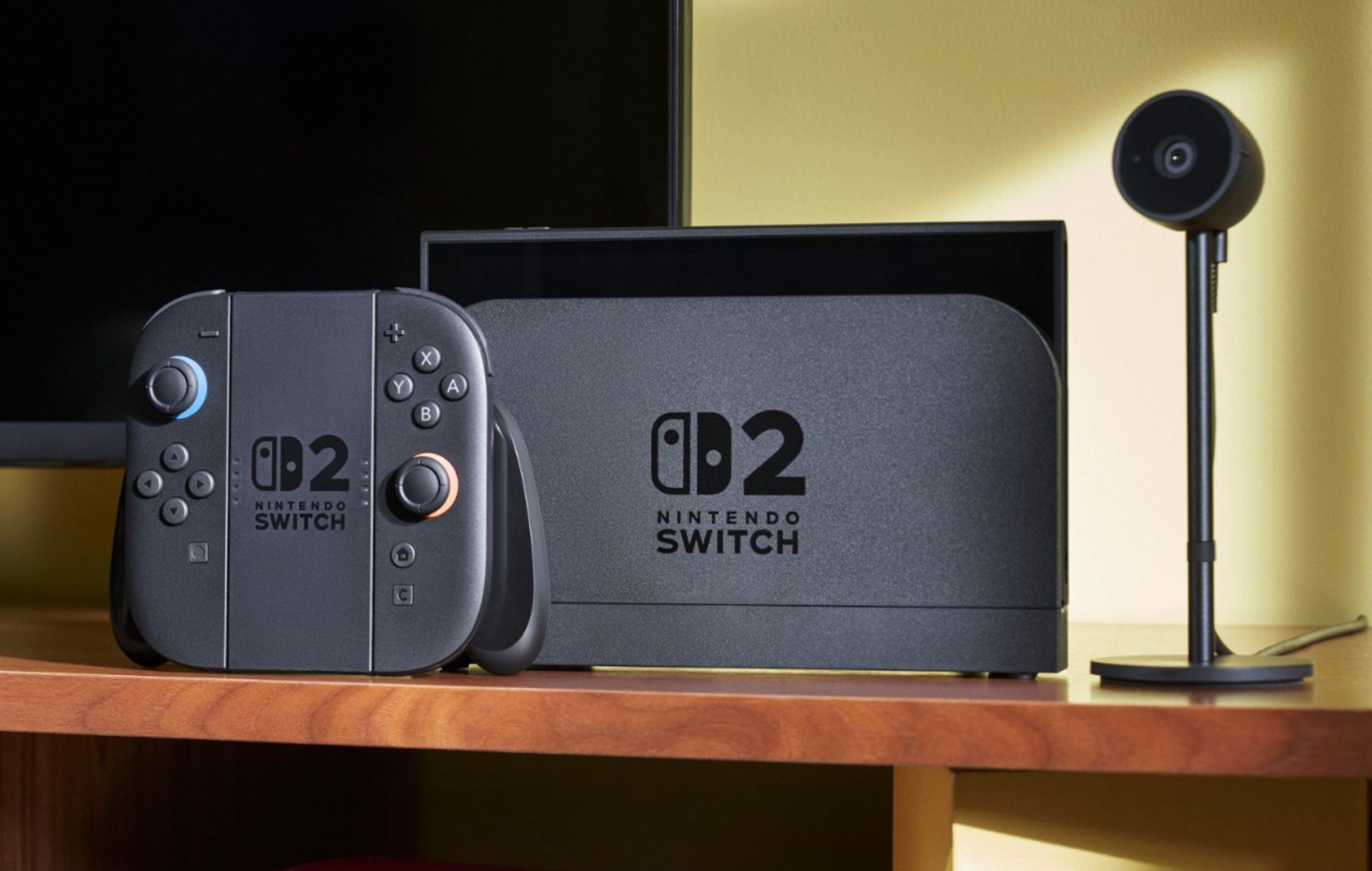

The quality of the Switch 2’s third party ports is one of the system’s unexpected highlights, but there’s a puzzling lack of promotion about it from Nintendo.
The Switch 2 was unveiled last year in uncharacteristic fashion, compared to Nintendo’s prior systems. Instead of focusing on innovation or a weird gimmick (we’re not counting GameChat), the emphasis was on the console’s technical specifications.
Nintendo doesn’t usually talk about frame rates or screen resolution as a main selling point for its consoles, but it did exactly that for the Switch 2; Welcome Tour went into surprising detail about it all. Sure, there were magnetic Joy-Cons and mouse controls, but the broad takeaway was that the system is the same as last time but more powerful.
Ever since the Wii, Nintendo consoles have never been associated with raw power. As such, even with this promised improvement, there was an expectation that third party support for the Switch 2 would perhaps disappoint – especially after some of the terrible ports (hello, WWE 2K18) seen on the original Switch.
Against the odds, almost a year later, the Switch 2 has proven to be surprisingly formidable when it comes to running PlayStation 5 and Xbox Series X/S generation titles. Star Wars Outlaws was better than expected, Resident Evil Requiem is shockingly good, and Assassin’s Creed Shadows was incredibly solid as well.
There are some technically demanding games on the horizon too, like Indiana Jones And The Great Circle, Pragmata, and Final Fantasy 7. Based on these titles alone, the Nintendo Switch 2 could be pitched as a worthy alternative to the PlayStation 5, if you’re not too concerned about a dip in performance and especially if this release cadence keeps up.
Expert, exclusive gaming analysis
Sign up to the GameCentral newsletter for a unique take on the week in gaming, alongside the latest reviews and more. Delivered to your inbox every Saturday morning.
However, this aspect of the Switch 2’s power feels like it’s being overlooked by Nintendo. It leaned on the technical specifications to begin with, and it has hosted Partner Showcase events to highlight third party games, but it feels like it’s underselling how great these Switch 2 ports are – at a time when the console needs a sales momentum boost in the West.
Because Nintendo won’t talk about it, it’s become very difficult to judge exactly how powerful the console is, especially because the ports that do and don’t work tend to be very random.
Take-Two paused development on the Switch 2 version of Borderlands 4 following a last minute delay. Similarly, IO Interactive has delayed the Switch 2 port of 007 First Light to summer 2026, after it was originally meant to launch alongside the other versions at the end of next month.
These could be isolated cases, or examples of teams still getting to grips with the hardware. We have seen other Switch 2 ports face a rocky road to launch, with Elden Ring: Tarnished Edition being delayed in light of performance concerns – something which has apparently been rectified, based on hands-on reports since.

It’s difficult to determine if optimising games for the Switch 2 is more tricky and haphazard than the successful ports suggest, but as it stands – based on what’s out there – this is shaping up to be Nintendo’s most powerful console (compared to its peers) since the GameCube and the one with the best third party support. So why isn’t Nintendo drumming up more buzz around it?
Nintendo consoles primarily sell based on the strength of their first party line-up, but even if Donkey Kong Bananza and Mario Kart World are the priority, it feels like Nintendo is wasting a useful advantage by not talking up the third party games.
Not only is good third party support something most people wouldn’t expect from the Switch 2 but the successful ports are the most effective way to show how powerful the Switch 2 is.
Nintendo’s first party games aren’t low tech but both Mario Kart and Donkey Kong were both originally designed for the Switch 1 and they don’t double as tech demos in the way many launch titles do.
Despite talking about the console’s power at launch, and via its technical specifications, Nintendo themselves has done very little to show how powerful it is. There were no tech demos in the lead-up to launch and no graphical showcases in the first year or, as far as we know, beyond that (although next year’s Pokémon Winds and Waves does look surprisingly good).
Perhaps Nintendo feels such things are beneath them but there’s no point complaining about lower than expected sales when they have two key selling points that they barely ever mention.
It may be that Nintendo doesn’t want to promote other people’s games, if they’re not going to be paid to by the publisher, but since they won’t promote them or their graphics it seems no one will.
It’s not a fatal flaw in the Switch 2’s marketing but it is an unnecessary own goal that Nintendo shows no sign of doing anything about.

Email gamecentral@metro.co.uk, leave a comment below, follow us on Twitter.
To submit Inbox letters and Reader’s Features more easily, without the need to send an email, just use our Submit Stuff page here.
For more stories like this, check our Gaming page.