

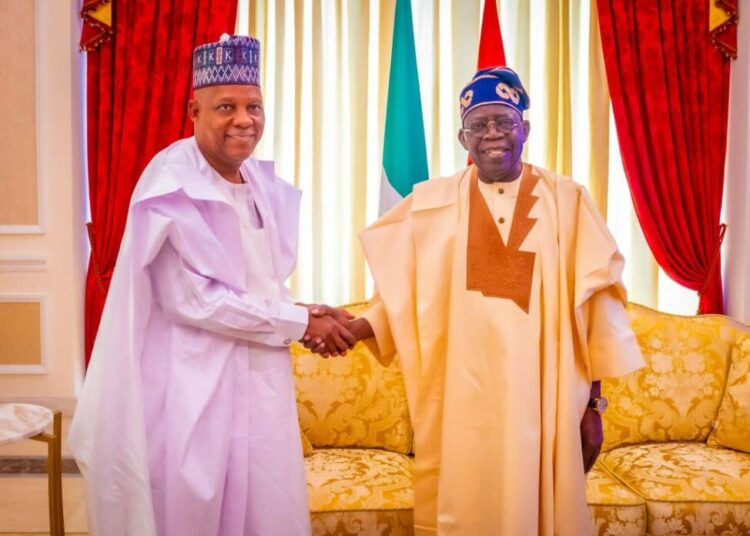
The Presidency defends Tinubu following a strong response to the criticism by the African Democratic Congress (ADC) over his remarks concerning the party’s national convention. Presidential aides described the criticisms as misplaced, while reaffirming the President’s democratic credentials and commitment to political pluralism.
Stakeholders say the development has triggered wider conversations about opposition politics, democratic engagement and the resilience of Nigeria’s institutions ahead of the 2027 political season.
Presidency, Tinubu Pushes Back Against Criticism Led by ADC
The Presidency, through presidential spokesman Sunday Dare, dismissed allegations that the President’s remarks undermined democracy, insisting the comments had been taken out of context and misrepresented for political effect.
Supporters say the response reinforced emphasis on:
- Respect for democratic pluralism
- Confidence in Nigeria’s political institutions
- Opposition engagement within constitutional bounds
- Rejection of narratives suggesting democratic backsliding
Observers say the response was framed as both a political and institutional defense.
Tinubu’s Democratic Credentials Highlighted
Presidential aides reportedly pointed to President Tinubu’s longstanding role in pro-democracy struggles and opposition politics as evidence against claims that democratic space is shrinking.
Supporters say this reinforces focus on:
- Tinubu’s democratic legacy
- Commitment to multi-party politics
- Support for constitutional governance
- Continuity of democratic values
Analysts say invoking the President’s democratic history was central to the Presidency’s response.
ADC Criticism Dismissed as Politically Motivated Against Tinubu
The Presidency also reportedly argued that the criticism reflected political interpretation rather than evidence of institutional threats, dismissing claims that democracy was under pressure.
Stakeholders say the response underscored:
- Confidence in functioning democratic institutions
- Rejection of claims of political suppression
- Defense of the judiciary’s independence
- Pushback against alarmist political narratives
Supporters say the message sought to calm concerns over democratic tensions.
Focus on Political Competition and Institutional Stability
Observers say the exchange has also spotlighted broader debates about the role of opposition, political rhetoric and institutional strength in a democratic system.
Supporters argue the development reinforces:
- Healthy democratic competition
- Stronger institutional confidence
- Constructive opposition engagement
- Political contestation within democratic norms
Analysts say such debates are often part of active democratic culture.
Presidency Frames Response Around National Stability
The Presidency’s intervention has also been viewed as part of a broader effort to project stability and confidence in governance institutions.
Potential implications highlighted include:
- Reassurance on democratic continuity
- Stronger confidence in governance institutions
- Reinforcement of political stability narratives
- Clearer communication from government channels
Supporters say the response was aimed at countering perceptions of institutional friction.
Debate Reflects Growing Political Momentum
Observers note the exchange comes amid intensifying political activity ahead of future electoral contests, making messaging around democracy and political competition increasingly significant.
They say the development could influence:
- Opposition-government engagement narratives
- Public discourse around democratic space
- Party positioning ahead of 2027
- Broader political momentum within the system
Many see the episode as part of the evolving pre-election political landscape.
Tinubu Dismisses ADC Criticism: What’s Next?
As the Presidency defends Tinubu against criticism from the ADC, it has added fresh momentum to conversations about democratic values, institutional resilience and political competition in Nigeria.
With the Presidency reaffirming confidence in democratic institutions and rejecting claims of political intolerance, stakeholders say the development underscores continuing debate around governance, opposition politics and democratic engagement.