
The Rural Electrification Agency (REA) has expanded its clean energy and economic development strategy through a new partnership aimed at improving agro productivity, renewable energy deployment, and innovation-driven growth across Nigeria.
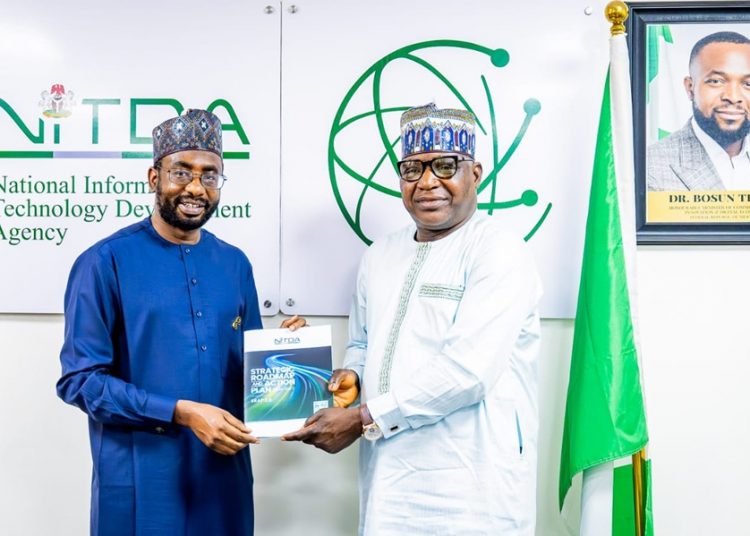
The agency signed the agreements with the Nigerian Commodity Exchange (NCX) and the Young Innovators of Nigeria (YIN). The partnerships form part of wider efforts to integrate clean energy into agriculture, technology, and industrial development projects nationwide.
REA Agro Partnership Targets Clean Energy for Rural Development
The agro partnership between REA and NCX establishes a national framework for agro-industrial cluster development, renewable energy integration, and commodity trade formalisation.
Under the arrangement, the Nigerian Commodity Exchange will work closely with REA to deploy renewable energy systems across agricultural value chains.
The initiative will cover commodity aggregation centres, processing hubs, storage facilities, and export channels.
Officials said the programme aligns with the Federal Government’s food security and economic diversification agenda.
They also noted that reliable electricity remains essential for modern agricultural production and rural industrial development.
Solar Energy to Support Agricultural Value Chains
The partnership aims to increase the use of solar-powered infrastructure across Nigeria’s agricultural sector.
REA believes the initiative will reduce post-harvest losses and improve overall productivity within the value chain.
According to the agency, renewable energy integration could strengthen rural industrialisation and improve value retention in farm produce.
The agency also stated that better energy access could increase non-oil export earnings and reduce operational costs for agricultural businesses.
Officials stressed that energy access and agricultural productivity remain closely connected to national economic growth.
The project reflects growing efforts to connect clean energy investments with food security and rural economic development.
Technology Ecosystem Dialogue Introduced
REA also signed a second agreement with the Young Innovators of Nigeria for the implementation of the Technology Ecosystem Dialogue (TED).
The platform will promote discussions around clean energy, digital transformation, innovation policy, entrepreneurship, and smart mobility solutions.
According to the agency, TED will operate as an annual national platform for exhibitions, hackathons, policy engagement, and stakeholder collaboration.
The programme will also encourage partnerships between innovators, government institutions, investors, and technology companies.
REA officials believe the initiative could strengthen Nigeria’s innovation ecosystem and support long-term economic competitiveness.
Youth Innovation and Renewable Energy Combined
Young Innovators of Nigeria supports startups, women, youths, and persons with disabilities through entrepreneurship and digital skills programmes.
The organisation has reportedly reached more than 30,000 beneficiaries across the country.
Under the agreement, REA will provide technical expertise and institutional support for clean energy and sustainability initiatives within the programme.
Officials said the collaboration goes beyond electricity access and includes innovation development, entrepreneurship support, and digital inclusion.
The partnership also aims to encourage young innovators to develop solutions that address energy, mobility, and environmental challenges.
REA believes innovation-driven partnerships could create new economic opportunities for underserved communities.
REA Broadens National Development Role
REA stated that its role continues to evolve beyond basic rural electrification projects.
The agency now focuses more on productive infrastructure, economic transformation, and sustainable development initiatives.
Officials explained that strategic partnerships have become increasingly important as Nigeria advances its energy transition agenda.
The agency has intensified efforts to scale renewable energy financing and mini-grid deployment across underserved communities.
REA also aims to improve electricity access for businesses, schools, healthcare facilities, and rural households.
The agency believes expanded clean energy access could stimulate local industries and improve living standards nationwide.
Renewable Energy Expansion Gains Momentum
Recent REA initiatives include a $188 million green finance investment facility launched with private investors and development partners.
The facility aims to expand distributed solar projects across Nigeria.
REA has also continued supporting mini-grid development and renewable energy financing partnerships in off-grid communities.
Stakeholders believe these interventions could accelerate Nigeria’s transition toward cleaner and decentralised energy systems.
Industry experts also expect renewable energy investments to create jobs and support local manufacturing opportunities.
The agency continues to position renewable energy as a major driver of inclusive economic growth.
Experts Highlight Economic Benefits
Energy and agricultural experts believe combining renewable energy with agro-industrial infrastructure could significantly improve productivity and reduce waste.
They argue that reliable electricity remains critical for food storage, processing, transportation, and industrial competitiveness.
Experts also noted that rural businesses often struggle because of unreliable power supply and high operating costs.
According to analysts, clean energy investments could improve efficiency across agricultural and industrial value chains.
Many stakeholders now view the agro partnership as part of broader efforts to connect energy access with sustainable economic growth.
Conclusion
The Rural Electrification Agency’s partnerships with the Nigerian Commodity Exchange and Young Innovators of Nigeria highlight a growing shift toward integrated national development planning.
By linking renewable energy with agriculture, innovation, and industrial productivity, the initiatives could support Nigeria’s clean energy transition and economic transformation agenda.
The partnerships also demonstrate increasing efforts to connect energy access with entrepreneurship, food security, and technology-driven growth.
As REA expands its development role, stakeholders expect more collaborations that combine renewable energy deployment with long-term economic sustainability.