
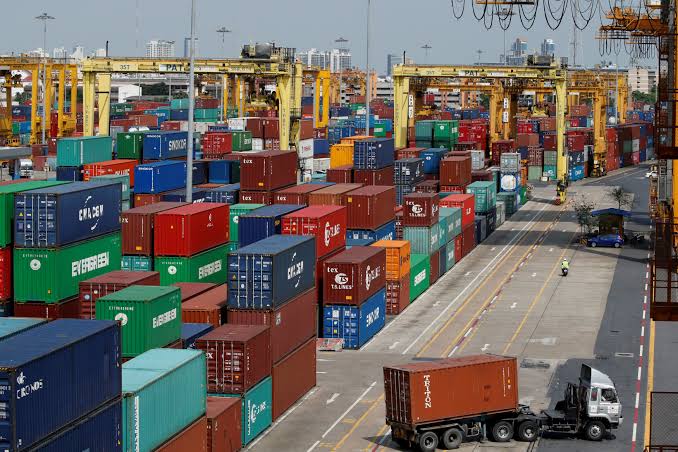
Thailand plans to boost imports from the U.S., reduce certain high tariffs on American products, and tackle non-tariff barriers, as stated by the finance minister on Tuesday. This move is part of the government’s strategy to negotiate more favorable terms regarding new U.S. tariffs.
The 36% tariff imposed on Thailand, Southeast Asia’s second-largest economy, is one of the highest rates set by the administration of former President Donald Trump, exceeding initial expectations.
Pichai Chunhavajira, who will lead the Thai negotiation team, indicated that there is no urgency to travel to the U.S. for discussions, as adequate preparation for proposals is necessary.
He mentioned that Thailand aims to achieve a balanced trade relationship with the United States within the next decade.
Prime Minister Paetongtarn Shinawatra confirmed on Tuesday that a meeting with the U.S. Trade Representative is scheduled, although no additional details were provided.
She also urged Thai exporters to explore new markets to mitigate risks, noting that the government would implement relief measures for businesses affected by the tariffs.
Pichai warned that the tariffs could reduce the country’s growth by one percentage point this year, impacting the export-driven economy.
Prior to the announcement of the high tariff, the government had aimed for a growth rate of 3% this year, following a 2.5% increase last year, which is significantly lower than many of its regional counterparts.
The government intends to import more U.S. products, including corn, soybeans, crude oil, ethane, liquefied natural gas, automobiles, electronics, and aircraft, and will reassess regulations regarding U.S. pork imports.
According to government statistics, Thailand recorded a trade surplus of $35.4 billion with the United States last year, while the U.S. reported a deficit of $45.6 billion with Thailand.
Read more: Trump awaits ‘call’ from China, but aides say deal not likely before 104% tariffs hit
On Tuesday, Thailand’s benchmark stock index dropped by as much as 6.1%, marking the first trading day following the tariff announcement.
In response to the situation, the Stock Exchange of Thailand implemented temporary limits on stock price movements, reducing the trading range from 30% to 15% and prohibiting short selling to help stabilize the market.