
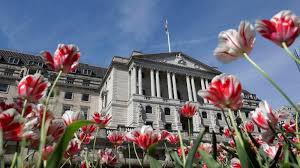
The Bank of England is anticipated to reduce interest rates for the third time in six months later this Thursday, despite inflation remaining above its target level.
Most economists predict that the nine-member Monetary Policy Committee will decrease the bank’s primary interest rate by 25 basis points to 4.50%, marking its lowest point since mid-2023. This base rate significantly influences the cost of mortgages and loans for individuals, as well as the interest rates banks offer on savings accounts.
Financial markets are particularly focused on the bank’s accompanying economic forecasts and the tone of Governor Andrew Bailey during his subsequent press briefing.
“Up to this point, the bank has implemented cuts at alternate meetings, but a stagnant economy and falling employment levels necessitate more immediate action,” stated Andrew Wishart, senior U.K. economist at Berenberg Bank.
The rate-setting committee is responsible for ensuring that inflation, as indicated by the consumer prices index, reaches a target of 2% over the next couple of years.
Currently, inflation stands at 2.5% and is expected to rise in the coming months, partly due to business tax increases from the new Labour government. However, many economists believe it will eventually trend downward towards the target, allowing the committee to proceed with cuts.
Recent official data revealed an unexpected drop in the inflation rate to 2.5% for the year ending in December, primarily due to easing price pressures in the services sector, which constitutes about 80% of the U.K. economy.
Another factor that may prompt rate-setters to lower borrowing costs is the stagnation of economic growth in the U.K., which is likely to exert downward pressure on inflation.
Inflation has significantly decreased from the peaks observed a few years ago, largely due to central banks raising borrowing costs from near-zero levels during the coronavirus pandemic. Initially, prices surged due to supply chain disruptions, and later, the full-scale invasion of Ukraine by Russia further escalated energy prices.
As inflation rates have retreated from their highest levels in decades, central banks, including the U.S. Federal Reserve, have begun to lower interest rates. However, most economists do not anticipate that rates will return to the exceptionally low levels seen in the aftermath of the 2008-2009 global financial crisis or during the pandemic.