

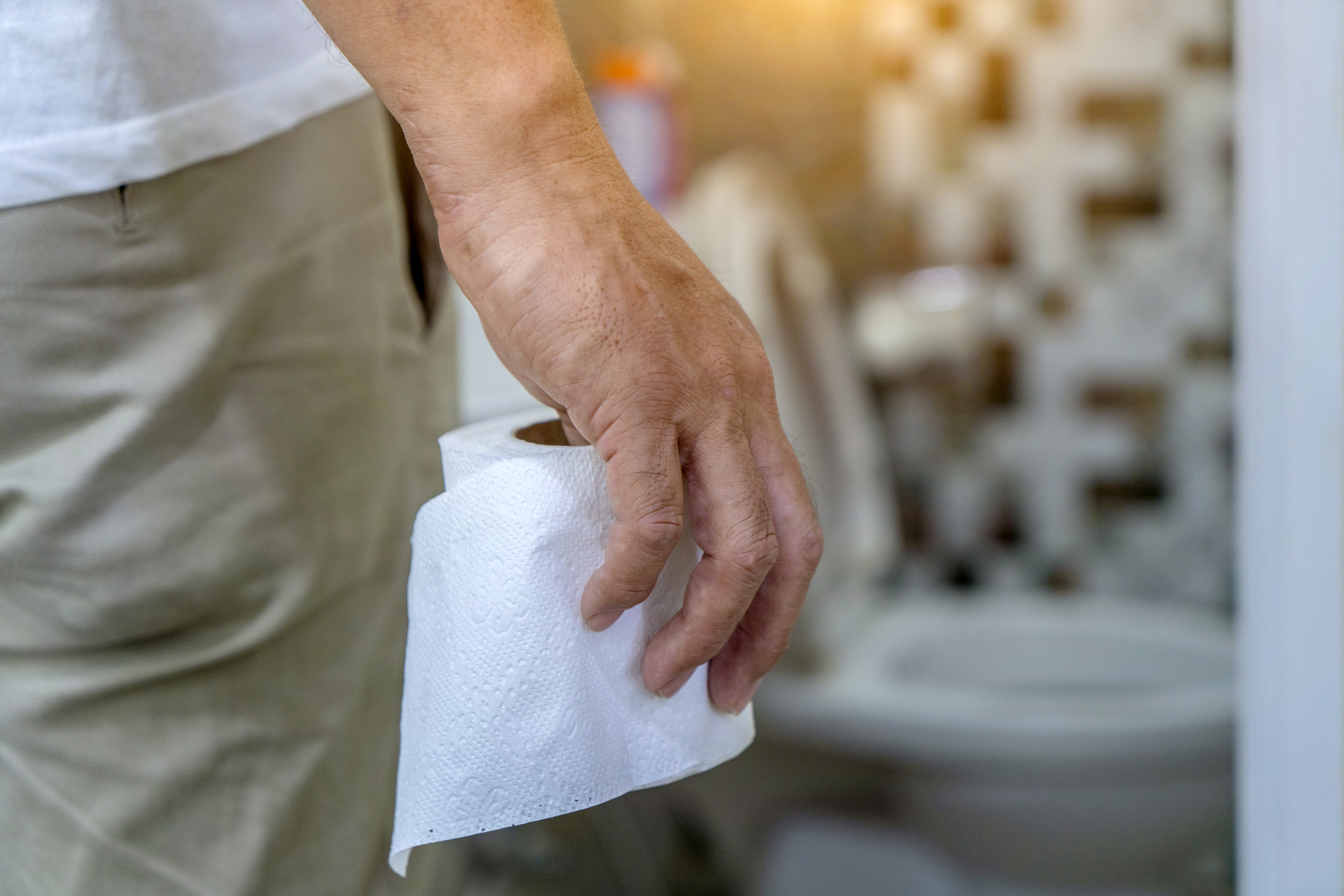

How often do you poo?
According to a recent Cushelle poll, the average Brit visits the toilet six times a day, spending just over five minutes on the loo each time — equal to seven full days a year.
When it comes to number twos specifically though, participants in Zoe’s ‘Big Poo Review’ (the largest ever UK survey of bowel habits) ranged from once a week to four times a day.
A whole host of factors, from fiber intake to stress levels, can impact how regular you are, and it’s totally normal for your rhythm to be thrown off from time to time.
But if it’s not just a temporary issue, and you’re either constipated or constantly caught short for an extended period, it could signal something more serious.
How often you should poo each week
In a 2024 study by the Institute for Systems Biology (ISB), researchers found that how often someone poos can have a large influence on their overall health.
One to two bowel movements a week was categorised as constipation, while three to six fell into the low-normal range. The next group, high-normal, went one to three times per day, and anything above that was classed as diarrhoea.

Younger people, women, and those with a lower BMI tended to have less frequent toilet habits, with those in the low-normal group being more likely to have toxins in their blood linked to conditions like chronic kidney disease and Alzheimer’s.
On the opposite end of the scale, the blood and stool stool samples of those with diarrhoea showed biomarkers associated with liver damage.
The healthiest of the 1,425 adults who took part in the research fell into what was termed the ‘Goldilocks zone’, defecating once or twice a day or between seven and 14 times weekly.
How often do you go?
-
Three or more times a day
-
Twice a day
-
Once a day
-
A few times a week
-
Less frequently
This cohort had higher levels of ‘good’ gut bacteria known to lower inflammation, which is believed to be a driving factor behind behind all sorts of conditions — including cardiovascular disease, type 2 diabetes, cancer, and neurodegenerative disorders.
Despite previous guidance suggesting anything between three stools a day and three a week is ‘normal’, microbiologist Sean Gibbons, who led the study, said: ‘Based on what we were looking at, pooping every other day to a couple of times a day is probably a better window to be healthy.’
Your bathroom habits aren’t a given though. Goldilocks zone poopers reported eating more fiber, drinking more water, and exercising more often; all things you can do to improve your digestive motility.

What frequent or irregular bowel movements could signal
Although a slight deviation is likely nothing to worry about, if you’re nowhere near this ‘ideal’ frequency, it could be a sign something is off.
Dr Delphine Sekri, GP at St John & St Elizabeth Hospital says going less than once every five days may be cause for concern — and ‘constipation is often the culprit.’
‘That can mean bloating, stomach aches and that uncomfortable “heavy” feeling,’ she tells Metro.
‘It can also lead to piles (which usually show up as sore swelling around the back passage and can bleed) or anal fissures (small tears that can cause sharp pain when you go) In both cases, you might spot bright red blood when you wipe.’
Three simple ways to get your gut back on track
If you’re going more or less than you should, Dr Sekri recommends the following three steps:
- Eat smart: Fibre is your friend. Load up on fruit, vegetables, greens and citrus, and keep your fluids up, including drinking around 2 litres of water a day.
- Get moving: Regular exercise, especially anything that engages your core, can help keep your digestion ticking along.
- Rethink your posture: A small footstool under your feet can help mimic a squat, which lines everything up and makes going easier.
Causes of chronic constipation vary, but can include dehydration, a sedentary lifestyle, diet, medications such as iron supplements, or pelvic floor dysfunction. It could also indicate an underlying endocrine, neurological or colon issue.
When it comes to the other extreme, regular toilet trips can be due to a caffeine or fiber-heavy diet, certain medications, or bowel conditions like IBS, ulcerative colitis, hyperthyroidism or coeliac disease.
‘Skin irritation, burning and general discomfort are common here, especially if it’s happening a lot,’ says Dr Sekri. ‘There’s also the practical side — needing to be constantly near a toilet isn’t exactly ideal.’
Whatever your standard schedule is though, she notes: ‘The real benchmark is what feels right for your body.’
If you’re concerned something is up, and particularly if you notice blood in your stool, you should speak to a GP, 111, or a specialist.
Dr Sekri adds: ‘It’s easy to brush off or avoid “toilet talk”, but staying silent can delay getting the right support.’
Do you have a story to share?
Get in touch by emailing MetroLifestyleTeam@Metro.co.uk.