

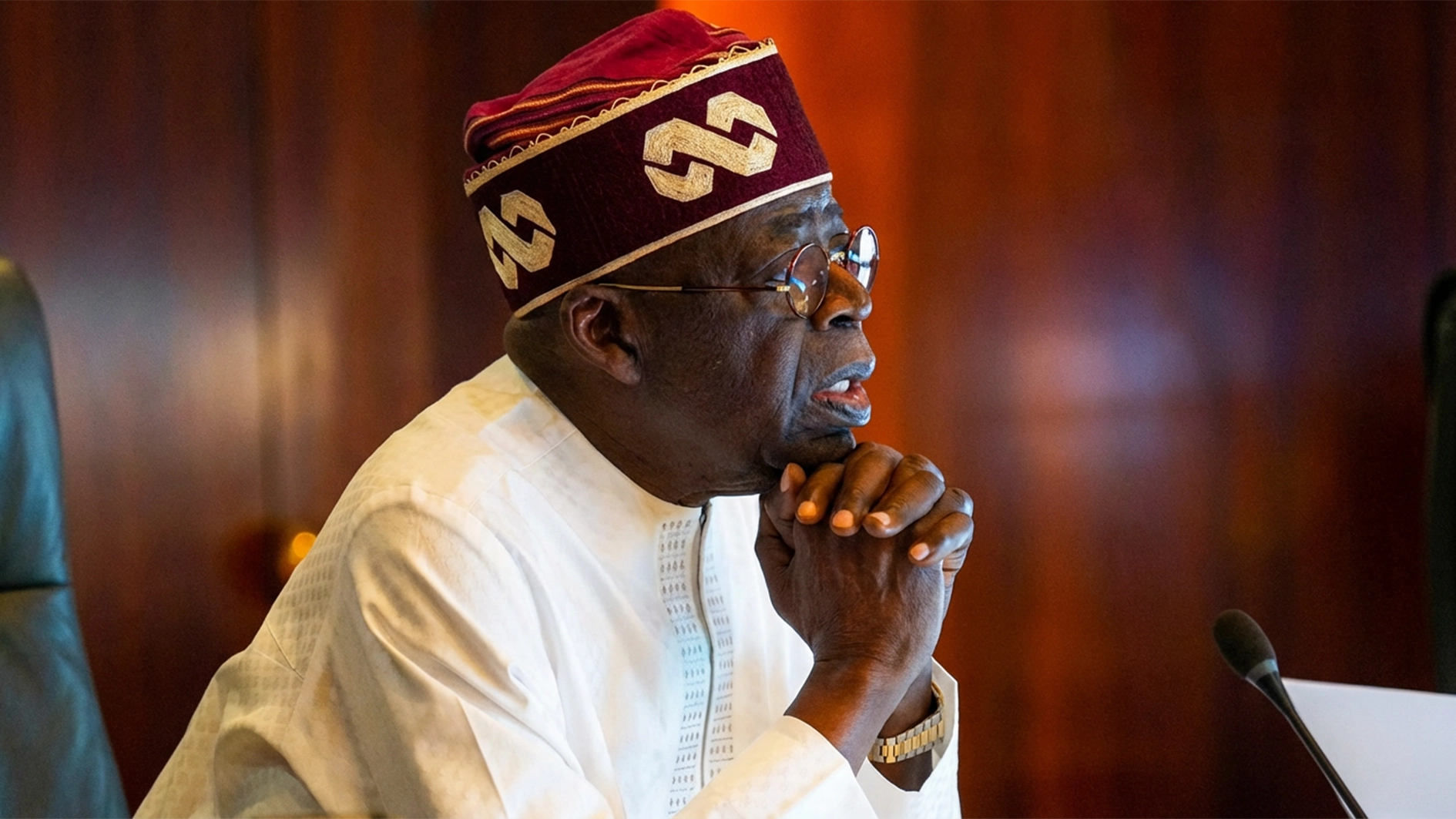
President Bola Ahmed Tinubu has approved the appointment of Mrs Arinola Ogbara-Banjoko as a Non-Executive Director on the Board of the Nigeria Commodity Exchange under the Federal Ministry of Industry, Trade and Investment.
The appointment is part of ongoing efforts by the federal government to strengthen commodity trading, improve market access and support economic growth through enhanced institutional leadership.
Tinubu Appoints Arinola Ogbara-Banjoko to the Commodity Exchange Board
According to a statement issued by the Presidency, Arinola Ogbara-Banjoko will represent Lagos State on the board of the Nigeria Commodity Exchange.
She replaces Mrs Bamidele Hussein on the board recently constituted by President Tinubu.
The Nigeria Commodity Exchange board is chaired by Dalhatu Abubakar alongside other non-executive directors appointed to oversee the operations and strategic direction of the exchange.
Federal Government’s Economic Vision
The appointment aligns with the federal government’s broader objective of deepening commodity trading and strengthening agricultural market systems nationwide.
According to the Presidency, President Tinubu expects the new appointee to contribute her professional experience toward improving the exchange’s operations and expanding opportunities for farmers and investors.
Stakeholders say strengthening commodity exchange systems can improve transparency, pricing efficiency and access to structured agricultural markets.
Analysts also believe efficient commodity trading platforms remain important for supporting food security and economic diversification.
Role of the Nigeria Commodity Exchange
The Nigeria Commodity Exchange serves as a central platform for the trading of agricultural and other commodities across the country.
The exchange is expected to facilitate structured trading, improve market information systems and support access to financing within the agricultural value chain.
Observers say modern commodity exchanges can help farmers secure better prices while improving supply chain efficiency and investor participation.
Experts also note that commodity trading systems are increasingly important for stabilizing agricultural markets and encouraging commercial farming.
Ogbara-Banjoko’s Professional Background
Reports indicate that Arinola Ogbara-Banjoko previously served as Coordinator of the Lagos State Special Offences Mobile Court, where she worked closely with law enforcement and regulatory agencies in Lagos State.
Stakeholders say her administrative and legal experience could contribute positively to institutional governance and operational oversight within the commodity exchange.
Observers also note that leadership appointments often play important roles in strengthening public institutions and improving accountability.
Analysts believe experienced professionals can support institutional reforms and operational modernization within government agencies.
Commodity Trading and Agricultural Development
Experts say commodity exchanges remain important for improving agricultural productivity, investment and food distribution systems.
Structured commodity markets can help reduce post-harvest losses, improve price transparency and provide farmers with better access to buyers and financing opportunities.
Stakeholders also believe efficient commodity trading systems can support economic growth by strengthening agricultural value chains nationwide.
Observers note that agriculture continues to play a major role in Nigeria’s economy and employment structure.
Market Access for Farmers and Investors
The federal government has repeatedly emphasized the importance of improving market access for farmers and agribusiness investors.
Analysts say stronger commodity exchange systems can help connect producers directly with larger markets while reducing inefficiencies within the supply chain.
Experts also believe improved trading infrastructure could encourage more private sector participation in agriculture and commodity investments.
Observers argue that expanding market access remains essential for increasing agricultural profitability and rural economic development.
Economic Diversification and Non-Oil Growth
The appointment also comes amid ongoing efforts to diversify Nigeria’s economy beyond oil dependence through agriculture, manufacturing and trade development.
Stakeholders say commodity exchange reforms can contribute to broader economic diversification goals by supporting exports and domestic agricultural production.
Analysts believe institutional reforms within commodity trading systems could strengthen investor confidence and economic competitiveness.
Observers also note that agriculture remains one of Nigeria’s most strategic sectors for non-oil economic growth.
Reactions From Stakeholders
Industry observers and economic stakeholders have welcomed the appointment, describing it as part of ongoing efforts to reposition critical economic institutions.
Some analysts noted that stronger governance and experienced leadership could improve operational efficiency and public confidence within the commodity exchange system.
Stakeholders also emphasized the importance of ensuring that reforms directly benefit farmers, traders and investors nationwide.
Observers believe sustained policy implementation will remain essential for achieving meaningful progress within the agricultural sector.
Conclusion
The appointment of Arinola Ogbara-Banjoko to the Nigeria Commodity Exchange Board by Tinubu reflects ongoing efforts to strengthen commodity trading and support economic development through institutional reforms.
As Nigeria continues focusing on agricultural growth and market expansion, stakeholders believe effective leadership, improved trading systems and stronger investor participation will remain important for supporting sustainable economic progress.