

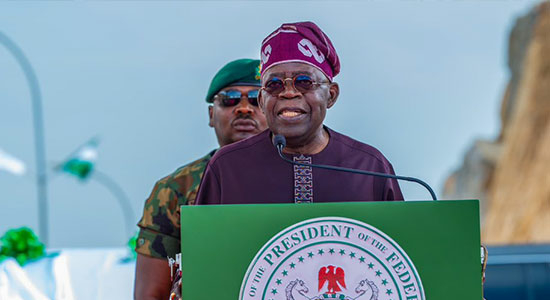
President Bola Ahmed Tinubu has directed Nigerian authorities to closely monitor the ongoing anti-foreigner protests in South Africa amid growing concerns over the safety of Nigerians.
The directive underscores heightened diplomatic attention as tensions rise in parts of the country.
Tinubu Orders Monitoring of South Africa Protests
The Federal Government said it is on high alert following reports of xenophobic demonstrations targeting foreign nationals.
Minister of Foreign Affairs Bianca Odumegwu-Ojukwu disclosed that the President ordered intensified surveillance of the situation. She noted that authorities are preparing for another round of protests scheduled between May 4 and May 8.
She stressed that protecting Nigerian citizens remains the government’s top priority.
Concerns Over the Safety of Nigerians
The government expressed concern over disturbing images circulating online showing violence and xenophobic rhetoric. Officials described such actions as unacceptable and called for restraint.
Reports indicate that two Nigerians died in separate incidents involving security personnel in South Africa, raising diplomatic concerns.
Authorities said these incidents have heightened anxiety among Nigerians living in the country.
Diplomatic Engagement With South Africa Authorities
Nigeria has demanded justice for victims while maintaining engagement with South African authorities.
Officials confirmed that Cyril Ramaphosa and other leaders have publicly condemned xenophobia and violence against foreign nationals.
The Nigerian government said it will continue to work with South African institutions to prevent further incidents and ensure accountability.
Measures to Protect Nigerians Amid Protests in South Africa
Nigerian missions in South Africa have intensified efforts to safeguard citizens. They are collaborating with local authorities to reduce risks and monitor developments.
Officials also revealed that about 130 Nigerians have registered for voluntary repatriation as part of contingency plans.
Stakeholders React to Situation
Policy analysts and stakeholders have called for sustained diplomatic engagement to address recurring xenophobic tensions.
Some experts emphasized the need for stronger bilateral cooperation between Nigeria and South Africa to protect citizens and prevent future crises.
Others urged African leaders to promote unity and discourage hostility against migrants within the continent.
Implications for Nigeria and South Africa Relations
Observers say the situation could test diplomatic relations between both countries. They note that how authorities manage the crisis will influence future cooperation.
Analysts also highlight the importance of protecting citizens abroad as a key responsibility of the government.
Conclusion
The directive by President Bola Ahmed Tinubu to monitor protests in South Africa reflects Nigeria’s proactive approach to safeguarding its citizens.
With stakeholders calling for decisive action, continued diplomatic engagement will be critical in ensuring safety, justice and stability.