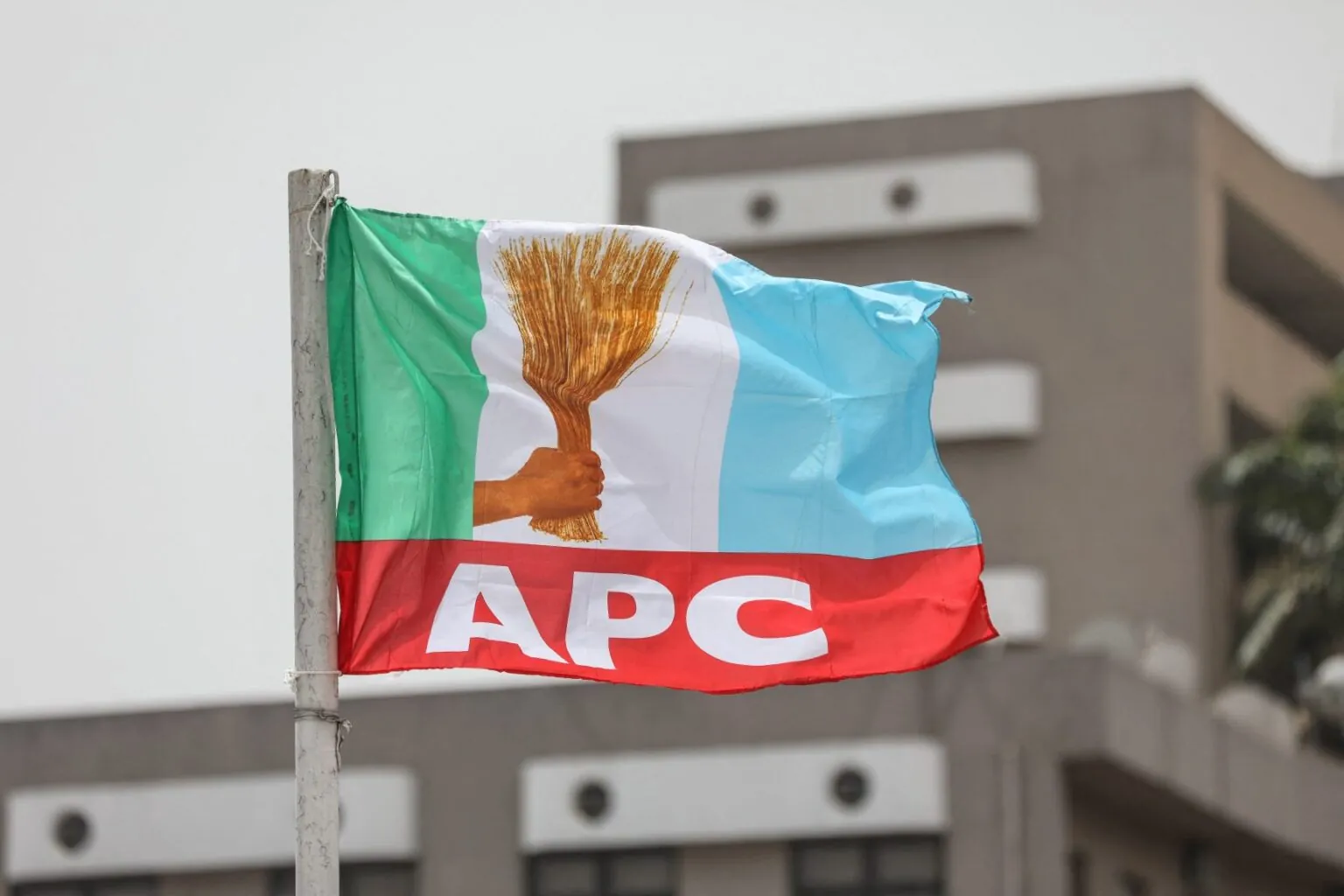


Reports have it that Hon. James Faleke has picked up the N100 million APC presidential nomination forms for President Bola Ahmed Tinubu’s reelection bid ahead of the 2027 general election.
Stakeholders say the move signals growing momentum around early political mobilization, party solidarity and confidence in the President’s second-term prospects under the All Progressives Congress (APC).
Faleke’s Move Signals Early 2027 Mobilisation
Supporters say Faleke’s action underscores growing momentum within the ruling party as preparations and political signaling ahead of 2027 begin to take shape.
The development is being seen as reinforcing:
- Early strategic mobilization within the APC
- Growing momentum around Tinubu’s reelection bid
- Strong signals of party confidence and support
- Consolidation of grassroots and institutional backing
Observers say the move reflects political organization beginning well ahead of the election cycle.
Gesture Seen as Vote of Confidence in Tinubu’s Leadership
Stakeholders say Faleke’s decision to pick up the nomination forms is being interpreted as a strong endorsement of President Tinubu’s leadership and reform agenda.
Supporters say it highlights confidence in:
- Continuity of the Renewed Hope Agenda
- Ongoing economic and governance reforms
- Stability through policy continuity
- Leadership seen as deserving renewed mandate
Analysts say symbolic political gestures often carry strategic meaning beyond procedure.
APC Unity and Cohesion Narrative Strengthened
Observers note the development has also fueled conversations around party unity, with supporters framing it as evidence of cohesion and alignment within the APC.
Supporters say this reinforces:
- Internal party solidarity
- Broader consensus among party stakeholders
- Stronger coordination ahead of 2027
- Reinforced support across party structures
Many see the move as adding momentum to wider conversations around APC consolidation.
Early Nomination Move Linked to Strategic Positioning
Stakeholders say the development is also being viewed as part of broader strategic positioning ahead of the next election cycle.
Potential implications highlighted include:
- Early campaign architecture taking shape
- Stronger political momentum-building
- Enhanced grassroots mobilization
- Strategic signaling to supporters and stakeholders
Observers say early moves often help define political narratives long before formal campaigns intensify.
Supporters Link Move to Renewed Hope Agenda Continuity
Supporters argue the development reflects backing for continuity in the implementation of the administration’s development priorities.
They say this aligns with focus on:
- Sustaining reform momentum
- Advancing long-term governance priorities
- Protecting gains linked to ongoing programmes
- Strengthening continuity in policy execution
Analysts say continuity arguments often feature prominently in early reelection narratives.
Faleke’s Role Seen as Reinforcing Political Momentum
Observers say Hon. James Faleke’s involvement adds political weight to the development, given his standing within party structures and grassroots networks.
Supporters say this strengthens:
- Credibility of the early mobilization signal
- Broader support-building efforts
- Political momentum within party ranks
- Strategic coordination ahead of 2027
Many stakeholders say the move reinforces a growing sense of organization around the reelection conversation.
Stakeholders See Growing Energy Around 2027
Analysts say the development has further energized discussions about the political landscape ahead of 2027.
Possible gains highlighted include:
- Stronger support mobilization
- Expanded coalition-building
- Greater grassroots enthusiasm
- Early momentum for the ruling party
Supporters say the nomination form pickup represents more than symbolism — it reflects growing political energy.
Conclusion
As James Faleke picks up APC nomination forms for Tinubu, it reinforces narratives of party unity, strategic mobilization and growing momentum ahead of the 2027 election.
With supporters framing the move as a vote of confidence in President Tinubu’s leadership and the Renewed Hope Agenda, stakeholders say it signals an early but significant marker in the evolving 2027 political landscape.