

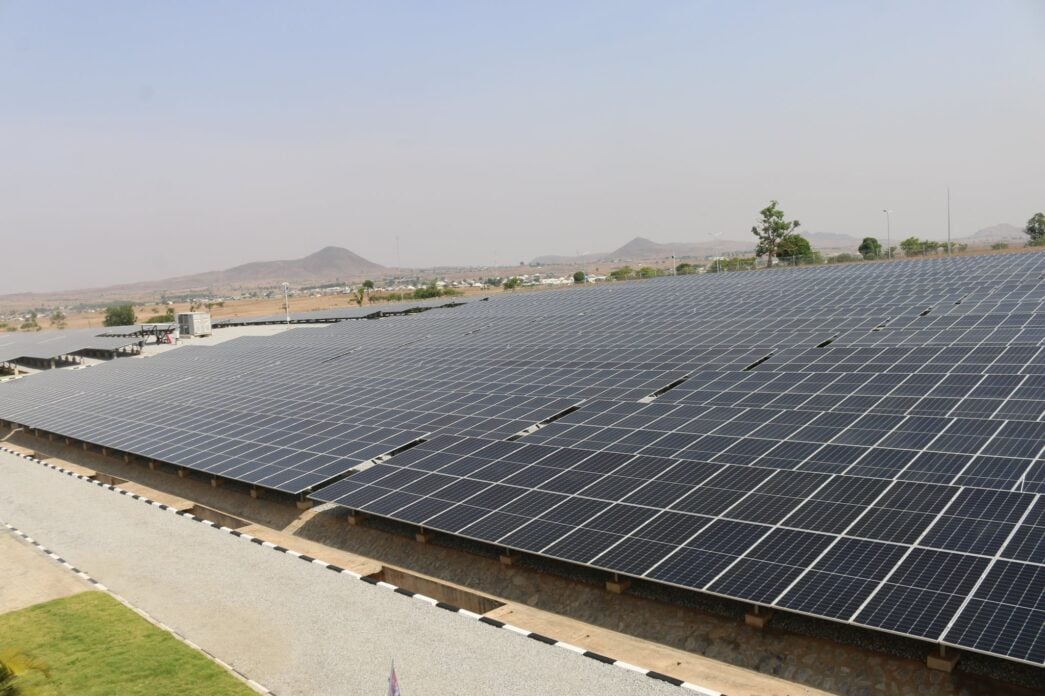
Nigeria has attracted $425 million in solar manufacturing investments, a major boost for the country’s clean energy ambitions and industrialisation drive.
The investment is being hailed as a strategic milestone that could strengthen local production capacity, reduce import dependence, and position the country as a renewable energy hub in West Africa.
Major Boost for Local Solar Manufacturing in Nigeria
Stakeholders say the investment signals growing confidence in Nigeria’s renewable energy sector and its industrial potential.
The new investments are expected to support:
- Expansion of local solar panel manufacturing
- Growth in renewable energy component production
- Reduced dependence on imported solar equipment
- Strengthening of domestic clean energy supply chains
Analysts say this marks a shift from consumption-driven solar adoption toward industrial-scale local production.
Driving Energy Access and Industrial Growth
REA Officials say the investment is expected to support Nigeria’s energy transition while contributing to broader economic growth.
Key anticipated benefits include:
- Expanded access to affordable clean energy
- Support for off-grid and rural electrification
- Industrial job creation
- Growth in local manufacturing ecosystems
Observers note the development could help address both energy poverty and industrial capacity gaps.
Solar Manufacturing Investment to Boost Renewable Energy in Nigeria
The investment is also expected to strengthen Nigeria’s broader renewable energy ecosystem by encouraging technology transfer and private sector participation.
Areas expected to benefit include:
- Solar module assembly
- Battery and energy storage solutions
- Renewable energy innovation
- Clean technology research and development
Experts say stronger domestic manufacturing could make solar deployment more affordable and scalable nationwide.
Reducing Import Dependence, Conserving Forex
Stakeholders say one major significance of the investment lies in its potential to reduce Nigeria’s heavy reliance on imported solar components.
Potential gains include:
- Lower import costs
- Foreign exchange savings
- Improved supply chain resilience
- Greater local content participation
Analysts describe the development as aligned with Nigeria’s push for self-reliance in strategic sectors.
Job Creation and Green Economy Opportunities
The investment is also projected to open significant opportunities in the green economy.
Expected impact areas include:
- Skilled and semi-skilled employment
- Youth opportunities in clean tech
- SME participation across value chains
- Growth in green industrial clusters
Supporters say this could position renewable energy as both an energy solution and an economic growth driver.
Solar Manufacturing Investment Positions Nigeria as a Clean Energy Hub
Observers believe the scale of the investment strengthens Nigeria’s ambition to emerge as a regional hub for solar manufacturing and clean energy innovation.
They say the move could:
- Attract additional foreign and local investors
- Strengthen Nigeria’s leadership in Africa’s energy transition
- Expand export potential for locally produced solar components
Many see the development as a strategic win for both energy security and industrial transformation.
Conclusion
The $425m solar manufacturing investments mark a significant milestone in the journey of clean and renewable energy in Nigeria.
With stronger local production, improved energy access, and expanded economic opportunities, stakeholders say the investment could accelerate Nigeria’s transition toward a more sustainable and industrially competitive future.