

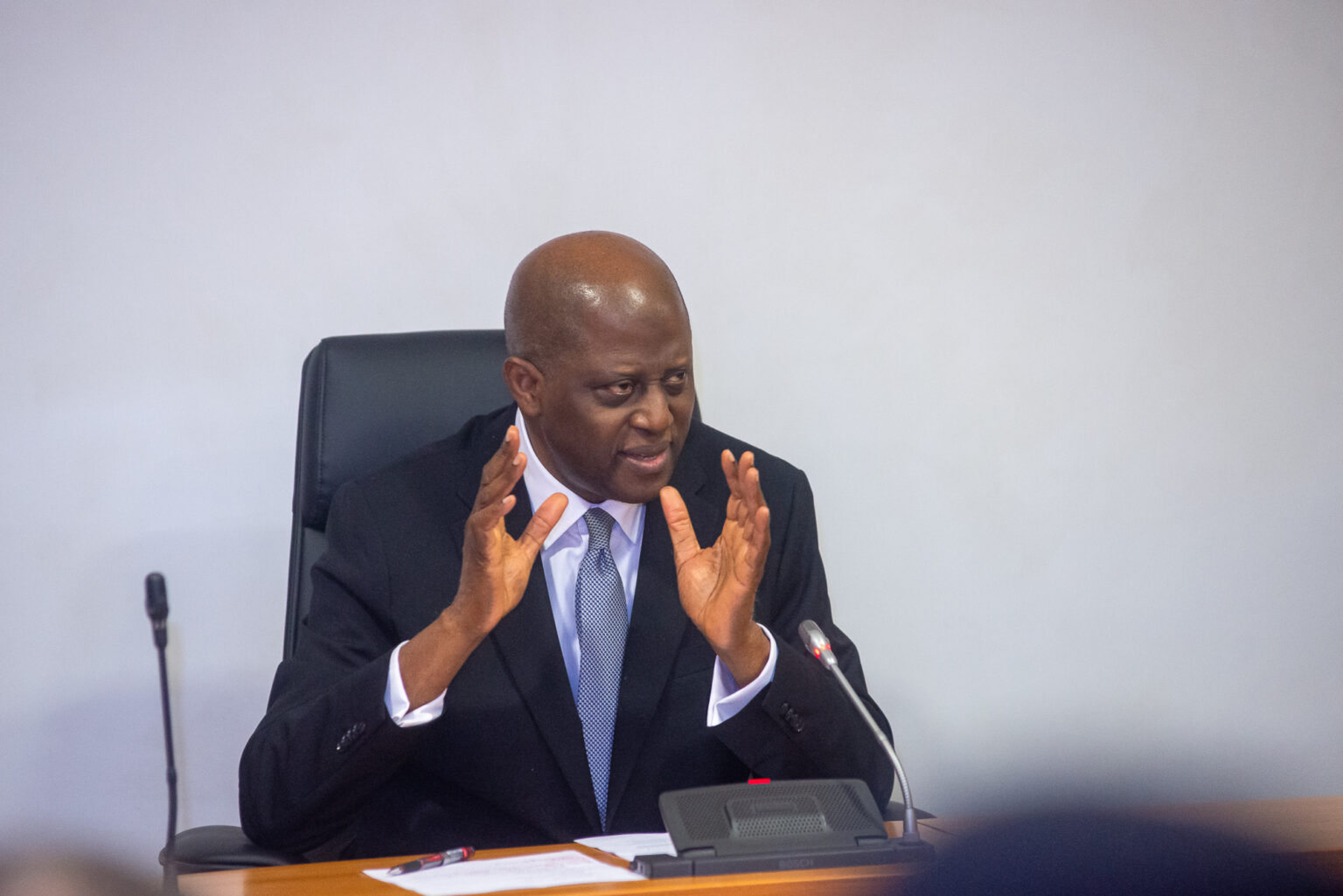
The “Confidence is currency” narrative is gaining momentum as stakeholders increasingly describe reforms under Central Bank Governor Olayemi Cardoso as not merely a policy adjustment, but the restoration of trust and confidence in Nigeria’s financial system.
Analysts say rebuilding institutional credibility has become a foundational pillar of the ongoing reform agenda.
Supporters argue that in modern financial systems, confidence itself functions as a form of currency — shaping investor sentiment, market stability and policy effectiveness.
Cardoso Restoring Confidence Framed as Core Reforms
Stakeholders say one of the defining features of Cardoso’s tenure has been a deliberate effort to restore credibility to the Central Bank through transparency, predictability and disciplined policy signals.
Supporters say this reinforces focus on:
- Institutional credibility and trust
- Predictable monetary policy signals
- Transparency-driven financial governance
- Stronger confidence in public institutions
Observers say rebuilding trust is increasingly seen as central to lasting economic stability.
Confidence Seen as Foundation for Policy Effectiveness
Analysts argue that monetary reforms often succeed or fail based not only on technical policy, but on whether markets and citizens believe in the institution implementing them.
Supporters say this strengthens:
- Public trust in monetary policy
- Greater policy credibility
- Improved investor sentiment
- Stronger effectiveness of reform measures
Many stakeholders say confidence can be as important as capital in shaping outcomes.
Transparency and Discipline Highlighted as Reform Anchors
Observers say Cardoso’s reforms have increasingly been framed around restoring discipline to central banking and reducing uncertainty through clearer frameworks.
Supporters say this supports:
- Rules-based financial governance
- Greater transparency in decision-making
- Reduced uncertainty in markets
- Stronger institutional accountability
Analysts say transparent institutions tend to command stronger domestic and international confidence.
Investor Confidence Linked to Reform Momentum
Stakeholders say one visible result of the confidence-driven approach has been renewed investor attention, with reforms increasingly associated with improved perceptions of Nigeria’s financial environment.
Potential gains highlighted include:
- Renewed investor confidence
- Stronger capital mobilization prospects
- Greater resilience in financial markets
- Improved global perception of Nigeria’s reforms
Supporters say confidence often serves as the bridge between reforms and investment.
Institutional Credibility Seen as Long-Term Asset
Observers say the emphasis on trust is also being framed as rebuilding an institutional asset that extends beyond short-term policy cycles.
Supporters say this reinforces:
- Enduring credibility for the apex bank
- Stronger policy continuity
- More resilient financial governance
- Sustainable foundations for future reforms
Analysts say institutional trust, once rebuilt, can support stability well beyond immediate reforms.
Confidence Framed as Economic Stabilisation Tool
Stakeholders note that the phrase “confidence is currency” resonates because confidence itself influences savings behavior, investment flows and market expectations.
Supporters say this can support:
- Macroeconomic stability
- Better market planning
- Stronger reform transmission
- Greater resilience to shocks
Observers say confidence is increasingly viewed as a practical stabilisation tool, not just an abstract idea.
Stakeholders See Trust as Reforms Under Cardoso Yields Results
Analysts say many are beginning to frame Cardoso’s most consequential reform as rebuilding confidence in the institution itself.
Possible implications highlighted include:
- Stronger faith in monetary institutions
- More durable reform outcomes
- Higher investor and public trust
- A legacy centered on credibility and discipline
Supporters say restoring confidence may prove the most enduring reform of all.
Conclusion
The “confidence is currency” linked to reforms under Cardoso continues to grow as stakeholders highlight trust, credibility and transparency as defining features of the CBN reform agenda.
With confidence increasingly seen as both an economic asset and institutional currency, observers say Cardoso’s biggest reform may be restoring belief in the system itself.