
The Federal Government (FG) has officially handed over the reconstruction of the Carter Bridge in Lagos State to China Civil Engineering Construction Corporation (CCECC), marking a major step in ongoing efforts to strengthen critical infrastructure and improve public safety across Nigeria.
The project, valued at approximately ₦545 billion, is expected to modernize one of Lagos’ oldest and most important transport links while addressing long-standing structural concerns surrounding the bridge.
FG Hands Over Carter Bridge Reconstruction Project to CCECC
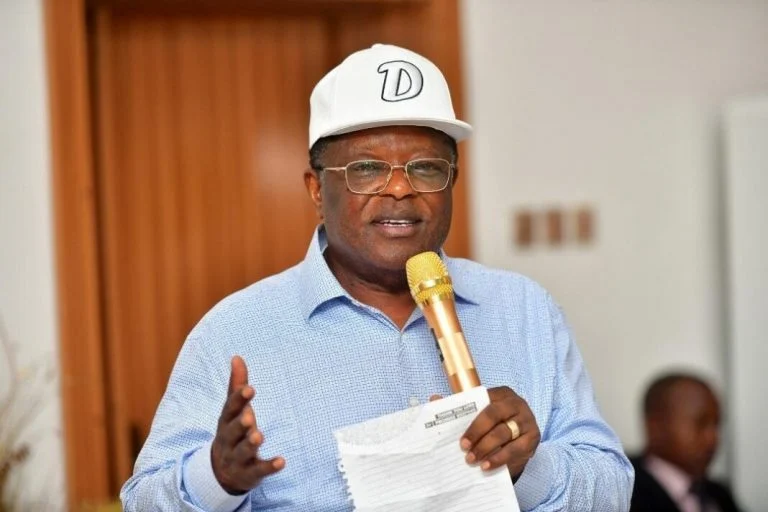
According to reports, the handover ceremony took place in Lagos, where the Minister of Works, David Umahi, formally transferred the project site to CCECC for immediate commencement of reconstruction activities.
The Federal Government explained that the reconstruction became necessary following several structural assessments which revealed worsening defects beneath the Carter Bridge and sections of the Third Mainland Bridge.
Observers say the bridge remains a vital transportation corridor connecting Lagos Island with other parts of the state.
Analysts also note that rehabilitating aging infrastructure remains critical for ensuring safety and reducing traffic-related disruptions within Lagos.
Structural Defects Prompt Reconstruction
Minister Umahi reportedly disclosed that investigations into the underwater structural elements of the bridge began as far back as 2013, with follow-up assessments conducted in 2019.
According to him, the investigations revealed significant structural deterioration, including shifted piles supporting parts of the bridge infrastructure.
The minister explained that specialist divers and geologists engaged by the current administration confirmed that portions of the bridge support system had suffered severe damage.
Stakeholders say the findings raised concerns over long-term safety and structural stability.
Decision to Build a New Structure
The Federal Government reportedly concluded that constructing a new bridge would be more cost-effective than attempting extensive repairs on the existing structure.
Umahi noted that technical consultations with local and foreign experts showed that rehabilitation costs could exceed the expense of building an entirely new bridge.
Observers say the decision reflects a broader infrastructure renewal strategy being pursued by the Federal Government.
Analysts also believe proactive infrastructure replacement may help prevent future structural emergencies.
New Bridge to Feature Cable-Stayed Design
The minister further revealed that part of the reconstructed Carter Bridge would include a modern cable-stayed section aimed at improving navigation and enhancing the visual appeal of Lagos.
According to reports, the cable-stayed component will include two spans measuring about 105 meters each.
Stakeholders say the proposed design would bring world-class engineering aesthetics to Lagos while improving maritime movement beneath the bridge.
Observers also note that cable-stayed bridges have become major infrastructure landmarks in several global cities.
Carter Bridge Reconstruction: Timeline and Funding
The Federal Government disclosed that the reconstruction project is expected to last approximately 36 months.
Reports indicate that funding for the ₦545 billion project will come through a combination of Federal Government counterpart financing and external borrowing arrangements.
According to the government, 30 percent of the project cost will be funded directly by the Federal Government, while 70 percent will be sourced externally.
Experts believe large-scale infrastructure financing remains essential for addressing Nigeria’s transportation and urban development needs.
CCECC Emerges Preferred Contractor
Umahi stated that the contractor selection process followed due process, with seven companies invited to bid for the project while six firms eventually submitted proposals.
The minister noted that CCECC emerged as the most technically and commercially viable company after evaluations conducted by the Bureau of Public Procurement and the Federal Executive Council.
Observers say CCECC has remained actively involved in several major infrastructure projects across Nigeria.
Stakeholders also emphasized the importance of quality execution and project monitoring throughout the reconstruction process.
National Assembly Backs Project
Members of the National Assembly reportedly expressed support for the reconstruction initiative, describing the project as necessary for preserving critical national infrastructure.
Lawmakers noted that the Carter Bridge has served Lagos residents for decades and requires urgent intervention following recent structural assessments.
Observers say legislative backing could support smoother implementation and oversight of the project.
Analysts believe collaboration between the executive and legislature remains important for infrastructure development.
Importance of Carter Bridge to Lagos
The Carter Bridge remains one of Lagos’ most strategic transportation assets because of its role in connecting commercial and residential districts within the state.
Observers say the bridge handles substantial daily traffic volumes involving commuters, businesses and logistics operations.
Stakeholders also believe improved bridge infrastructure could enhance mobility, economic activities and transportation efficiency within Lagos.
Experts note that modern transport systems remain essential for supporting urban growth and economic productivity.
Government Assures Monitoring and Safety Compliance
The Ministry of Works assured Nigerians that the reconstruction project would be closely monitored to ensure compliance with technical, environmental and safety standards.
Umahi directed CCECC to mobilize immediately to the project site while emphasizing the need for strict quality assurance during construction activities.
Observers say effective project supervision remains important for delivering durable and safe infrastructure projects.
Analysts also believe transparent monitoring mechanisms can improve public confidence in government projects.
Conclusion
The Federal Government’s handover of the Carter Bridge reconstruction project to CCECC marks a significant milestone in efforts to modernize Lagos infrastructure and address critical structural concerns affecting public safety.
As reconstruction activities commence, stakeholders believe the project could significantly improve transportation efficiency, strengthen infrastructure resilience and support long-term urban development within Lagos State.