

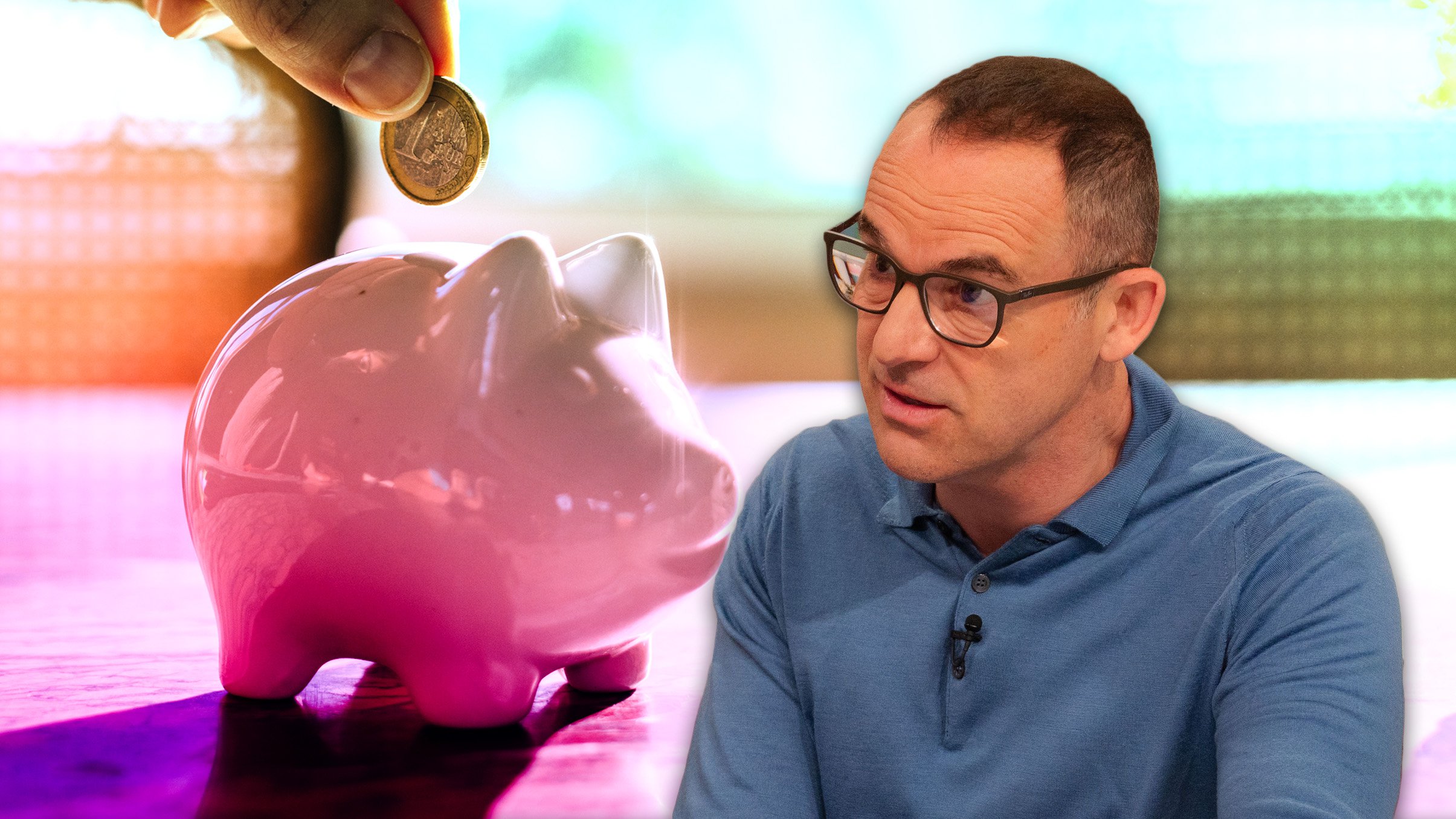

- Martin Lewis urges savers to use their £20,000 ISA allowance before April 5 or lose this tax-free benefit
- He highlights the advantages of ISAs, comparing them to a protective wrapper keeping savings tax-free
- Martin recommends considering stocks and shares ISAs for long-term investing while cash ISAs suit short-term goals
Martin Lewis has issued an urgent warning to savers, urging them to make the most of their Individual Savings Accounts (ISA) allowance before the tax-year deadline — or risk losing out.
With just days left until the annual ISA window closes, the Money Saving Expert (MSE) founder told readers to ‘use it or lose it’, adding: ‘Your money’s nicer in an ISA.’
Each person is offered £20,000 annually in tax-free savings as part of the scheme, giving you until Sunday April 5 to take advantage of the 2025/26 amount before it resets for the new financial year.
And with this date looming large, Martin advises getting in on remaining deals sooner rather than later, ‘as some providers shut their (virtual) doors early.’
What is an ISA and how does it work?
An ISA is essentially a tax-free wrapper that allows people to save or invest money without paying tax on the returns.
Every UK adult aged 18 or over receives an annual ISA allowance of £20,000, which can be placed into a cash ISA, a stocks and shares ISA, or split between the two.

To illustrate how ISAs work, Martin uses a pretty tasty analogy, explaining: ‘Picture a cake, let’s say a chocolate cake for cash savings. Normally it’s just sitting there, so the tax collector can come and take a bite.
‘But think of an ISA wrapper like a protective piece of clingfilm you can wrap around some of the cake.
‘Once your cash is inside, nothing changes… the only difference is now the tax collector can’t eat any.’
Key ISA rules all savers should know
- ‘Use it or lose it’: The ISA allowance cannot be carried forward into the next year, so if it isn’t used by April 5, it disappears.
- A fresh allowance starts every year: On April 6, savers receive a brand new £20,000 allowance, so someone who hasn’t used this year’s allowance could theoretically deposit £20,000 now and another £20,000 next month once the new tax year begins.
- Money stays tax-free forever: While the yearly limit applies to new contributions, there is no overall cap on the amount you can hold in ISAs. According to Martin: ‘Some now have £100,000s in cash ISAs, having used many years’ allowances, and there are some shares ISA millionaires.’
- Future rule changes may affect cash ISAs: Planned government changes, due to come into effect on April 2027, could reduce the cash ISA allowance to £12,000 per year for under-65s, but the stocks and shares allowance would remain at £20,000.
Cash ISAs vs stocks and shares ISAs
The choice between the two ISA types often comes down to a bigger question: should you save or invest?
Consumer finance guru Martin says Brit tend to be overly cautious and ‘underinvest’ as a nation because ‘we’re risk averse’.
But if you’re saving for the long-term and don’t need access to the money for at least five or so years, he claims: ‘On the balance of probability, investing in a broad spread of investments will usually substantially outperform savings.’
Don't miss our Money tips! Add us as a Preferred Source
At Metro Money, we’re here to bring you all the latest news and advice on personal finance, cost of living, saving and investing. As part of our vibrant community of highly engaged readers, we want to make sure you never miss our articles when searching for stories.
Click the button below and tick Metro.co.uk to ensure you see stories from us first in Google Search.

For wary beginners, a stocks and shares ISA focusing on diversified funds — such as trackers following major indices like the FTSE 100 or the S&P 500 — may feel like a safer option than buying individual shares.
Cash ISAs, meanwhile, are typically better suited for shorter-term goals, whether that’s paying off debt, building an emergency fund, or saving for a house deposit.
Although the returns aren’t always as high as a stocks and shares ISA, cash savings tend to be more popular, as some people ‘won’t invest no matter what anyone says.’
For those who save and invest, Martin says the decision should depend on your personal circumstances, but if you’re likely to pay tax on both, he leans towards stocks and shares, since investment growth can be far larger — and therefore create bigger tax bills.
Using an extreme example to illustrate the point, he explains that if someone invested £20,000 and it grew to £2 million, the capital gains tax outside an ISA could be huge, whereas ‘inside an ISA, you’d pay no tax at all.’
Are you planning to use your ISA allowance before the deadline?
-
Yes, I'm going to use it.
-
No, I don't plan to use it.
-
I haven't decided yet.
How much tax do you pay on savings?
Interest on savings normally counts as income and can be taxed. However, many people avoid this thanks to allowances including:
- The £12,570 personal allowance.
- The starting rate for savings, which lets some lower earners have up to £18,570 a year of untaxed earnings and interest combined.
- The personal savings allowance (PSA), which lets basic rate taxpayers earn up to £1,000 in interest tax-free each year, while those on the higher 40% rate get £500 a year. Martin highlights: ‘At top rates you’d could have up to £22,000 saved as a basic-rate taxpayer before you earn enough to pay tax on normal savings.’
A cash ISA sits on top of those allowances, meaning interest earned inside it is never taxed and doesn’t count towards those limits.
Premium Bonds also provide tax-free returns, although they are capped at £50,000 total, rather than a yearly amount.
Investment are taxed slightly differently, normally covering:
- Capital gains tax on profits when assets are sold. You’ll receive a £3,000 a year tax-free capital gains allowance, with anything above that at 18% for those on the basic rate or 24% above that).
- Dividend tax on income paid by companies. You currently get a £500 annual Dividend Allowance, above which you pay between 8.75% and 39.35% depending on your tax rate.
- Tax on interest from cash held within investment accounts, charged at the same rate as savings interest.
Within a stocks and shares ISA however, all profits, dividends or interest earned are completely tax-free, though a small 0.5% stamp duty can still apply when buying certain UK shares.
‘Plus the returns in ISAs don’t count towards your annual allowance either, you get them on top,’ Martin adds.
Do you have a story to share?
Get in touch by emailing MetroLifestyleTeam@Metro.co.uk.