
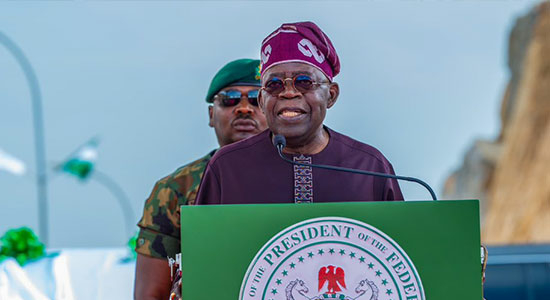
President Bola Ahmed Tinubu has reaffirmed Nigeria’s support for peace and regional stability by expressing solidarity with the United Arab Emirates (UAE) and condemning attacks targeting civilians and critical infrastructure amid the escalating US-Iran conflict.
The position is being seen as a significant diplomatic statement, underscoring Nigeria’s support for peaceful resolution and protection of civilian lives.
Tinubu on US-Iran Conflict: Condemns Attacks on Civilians
President Tinubu reportedly expressed concern over strikes targeting civilian and economic infrastructure, stressing that attacks against non-combatants must be condemned.
According to observers, the statement reinforces Nigeria’s longstanding principles of:
- Protection of civilian populations
- Respect for international peace
- Opposition to escalation of armed conflict
- Support for diplomatic engagement over violence
Stakeholders say the intervention reflects Nigeria’s voice in promoting restraint during global tensions.
Nigeria Reaffirms Solidarity With UAE
Tinubu also reportedly conveyed support to UAE President Sheikh Mohamed bin Zayed Al Nahyan, praising measures taken to protect citizens and critical infrastructure.
Analysts say the gesture highlights:
- Nigeria-UAE diplomatic ties
- Support for regional stability in the Gulf
- Strategic solidarity with international partners
- Nigeria’s commitment to responsible global engagement
Many see the statement as both humanitarian and diplomatic.
Tinubu Calls for Peace and Stability Amid US-Iran War
Observers say Tinubu’s remarks place emphasis on peacebuilding at a time of rising geopolitical tension.
The position aligns with calls for:
- De-escalation of hostilities
- Dialogue-driven conflict resolution
- Protection of critical infrastructure
- Prevention of wider regional instability
Supporters argue the message reinforces Nigeria’s traditional support for peaceful international solutions.
Diplomatic Message Carries Strategic Weight
Foreign policy analysts note the statement carries broader diplomatic significance beyond the immediate conflict.
They say it reflects Nigeria’s interest in:
- Stability in global energy-producing regions
- Protection of international economic interests
- Constructive diplomatic engagement in crises
- Support for multilateral peace efforts
Given the strategic importance of the Gulf region, observers say Nigeria’s stance sends a measured but important signal.
Concern Over Humanitarian Impact Grows
Stakeholders say the condemnation also reflects concern over the humanitarian consequences of attacks on civilian populations.
They note growing focus on:
- Civilian safety in conflict zones
- Protection of essential infrastructure
- Humanitarian norms during warfare
Many argue these concerns make diplomacy even more urgent.
Tinubu’s Position Seen as Support for Responsible Leadership
Supporters say the President’s response reflects responsible leadership by combining solidarity with calls for peace and civilian protection.
They argue the intervention promotes:
- Moral clarity on civilian protection
- Balanced diplomacy amid conflict
- Nigeria’s voice in global peace discourse
Observers describe the statement as aligned with broader principles of international peace and security.
Conclusion
Tinubu backs the UAE, condemning attacks on civilians and reinforcing Nigeria’s support for peace, diplomacy and protection of innocent lives amid growing tensions in the Middle East.
As global attention remains on the US-Iran conflict, stakeholders say the statement reflects Nigeria’s commitment to stability, dialogue and principled international engagement.