
The Nigerian Revenue Service (NRS) has joined a growing number of major institutions turning to independent electricity generation, securing approval for captive power as concerns over grid reliability persist.
The NRS captive power national grid development is being viewed as a major institutional shift that reflects growing interest in self-generated energy solutions for operational stability.
NRS to Secure Own Power Supply Amid Unstable National Grid
According to reports, NRS obtained approval for a 6.08-megawatt captive power plant at its Abuja headquarters, a move aimed at ensuring uninterrupted energy supply for critical operations.
Stakeholders say the development could support:
- More reliable power for public service operations
- Lower exposure to grid disruptions
- Improved institutional productivity
- Greater energy security for mission-critical infrastructure
Observers say the move reflects a broader trend among large institutions prioritising operational resilience.
Part of Wider Shift Toward Self-Generated Power
Analysts note NRS is joining a broader movement by public and private entities adopting captive power and decentralised energy solutions.
This trend has been driven by interest in:
- Energy reliability
- Cost efficiency over the long term
- Business continuity planning
- Reduced dependence on unstable grid supply
Supporters say the shift also signals growing confidence in alternative power models.
Captive Power Seen as Strategic Efficiency Move
Industry observers say the development is not only about power security but also about institutional efficiency.
Potential benefits include:
- Reduced disruption to digital and administrative systems
- Improved service delivery
- Better long-term energy planning
- Stronger infrastructure resilience
Many view the move as a strategic investment rather than simply a response to grid challenges.
Decentralised Energy Solutions Gain Momentum
The development has also renewed focus on Nigeria’s growing decentralised energy ecosystem, especially following reforms enabling independent generation.
Stakeholders say this could further support:
- Mini-grid and captive power growth
- Private participation in electricity solutions
- Broader innovation in energy infrastructure
- Expansion of embedded and distributed power models
Analysts describe it as part of a structural shift in the electricity landscape.
Boost for Clean and Hybrid Energy Opportunities
Observers also note captive power investments could accelerate interest in hybrid and cleaner energy systems.
Possible opportunities include:
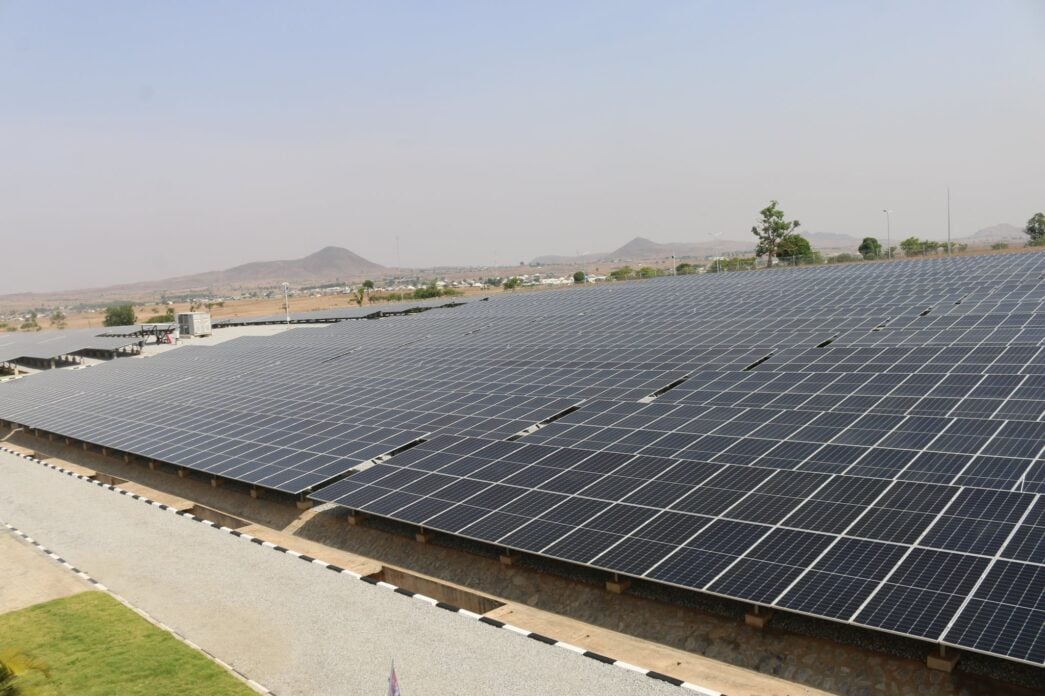
- Solar-integrated captive systems
- Reduced diesel dependence
- Lower long-term energy costs
- More sustainable institutional power solutions
Supporters say such investments can align reliability with sustainability goals.
Implications for Energy Reform Debate
The move has also added momentum to conversations around electricity sector reform and grid modernization.
Experts say developments like this highlight the need to:
- Strengthen national grid performance
- Expand distributed energy frameworks
- Improve power market confidence
- Accelerate long-term sector reforms
Many see the trend as both a challenge and opportunity for Nigeria’s evolving power sector.
Is Independent Power the Right Move Amid Unstable National Grid?
The shift by NRS towards amid national grid instability signals growing institutional confidence in self-generated power solutions.
With reliability, efficiency and energy security driving adoption, stakeholders say the move reflects broader changes that could reshape Nigeria’s power future.